Toy Cleaner vs Soap: When to Use Each and How to Keep Intimate Products Fresh
By Rodel Samalca
The difference between toy cleaner and soap is not about which one sounds more official. It is about the product material, the instructions from the maker, how often the toy is used, whether it is shared, and how easy the cleaning routine is to repeat. A good routine is the one that leaves the toy clean, dry, undamaged, and ready for next time.
Mild soap and water can be enough for many nonporous toys when the product instructions allow it. A dedicated toy cleaner can be useful when someone wants a convenient spray, a bedside-friendly option, or a formula made for intimate products. Neither choice replaces reading the care directions.
The Short Answer
Use the product's care instructions first. If the instructions say mild soap and water, choose a gentle unscented soap, rinse well, and dry fully. If the instructions recommend a toy cleaner, choose one that matches the material and use it as directed.
For shoppers comparing both options, the practical question is: which routine will you actually complete every time? A cleaner that stays within reach may be better than a soap routine someone avoids. A simple soap routine may be better than a cleaner with unclear ingredients or no rinse guidance.
When Mild Soap Makes Sense
Mild soap is often a good fit for washable, nonporous toys such as many silicone, glass, or stainless steel products. It is inexpensive, easy to find, and familiar. The soap should be gentle, unscented, and rinsed away thoroughly so no residue remains on the toy surface.
Soap is less convenient when a toy has texture, seams, hinges, suction cups, or areas that need extra attention. It also depends on sink access and privacy. Someone who shares a bathroom or travels often may prefer a cleaner because it makes the routine easier to do discreetly.
When Toy Cleaner Earns Its Spot
A dedicated toy cleaner can make sense for shoppers who want a purpose-built product, a quick spray routine, or a cleaner that stays with the toy storage kit. It is especially helpful when the barrier to cleaning is convenience rather than knowledge.
Look for clear directions, material compatibility, and plain ingredient information. A good cleaner should make the care routine easier to understand, not more mysterious. Avoid products that make dramatic claims without telling the shopper how to use them safely.
Rinse-Off vs No-Rinse Formulas
Some toy cleaners are designed to be rinsed off, while others are marketed as no-rinse. That detail matters. Rinse-off formulas still need water and drying time. No-rinse formulas may be convenient, but shoppers should still check whether the product is appropriate for the toy material and their own sensitivity level.
If a cleaner leaves residue, scent, stickiness, or irritation, stop using it and switch routines. Clean should feel neutral. A product that makes the toy feel perfumed or coated is not doing the shopper any favors.
Materials Change the Rules
Nonporous materials are usually easier to clean than porous or mystery materials. Silicone, glass, and stainless steel often have clearer care options, but the exact instructions can still vary by product. Toys with motors, charging ports, coatings, fabric parts, or electronic controls need extra attention to waterproof ratings and manufacturer guidance.
Porous materials are more complicated because they can hold bacteria and residue more easily. Barriers may be useful for some shared-use situations, and replacement may be wiser than trying to rescue a product that no longer feels clean or intact.
A Reliable Cleaning Routine
Start by removing batteries or disconnecting charging cables if the toy design requires it. Wash or spray according to the instructions, paying attention to seams, texture, and base edges. Rinse when directed. Dry with a clean towel or let the toy air-dry fully before storage.
Do not put a toy away damp. Moisture trapped in a pouch, drawer, or storage box can create odor, lint, and surface problems. A clean toy that is stored poorly can still feel unpleasant next time.
Cleaning Shared Toys
Shared toys need a higher standard because they move between bodies, partners, or uses. Clean before and after use, consider barriers when appropriate, and do not switch between body areas without cleaning or changing the barrier first.
This is also where lube planning matters. Water-based lubes are easy to clean and broadly compatible, while some heavier lubes may take more effort to wash away. The easier the cleanup, the more likely the routine is to happen consistently.
What Not to Use
Avoid harsh household cleaners, bleach, alcohol wipes unless the product specifically allows them, heavily scented soaps, abrasive scrubs, and dish products that leave strong fragrance or residue. Intimate products do not need to smell like a kitchen counter to be clean.
Also avoid boiling, dishwashers, or UV devices unless the toy maker clearly says that method is safe for that exact product. Heat and aggressive cleaning can damage motors, adhesives, coatings, or softer materials.
How to Shop the Cleaner Shelf
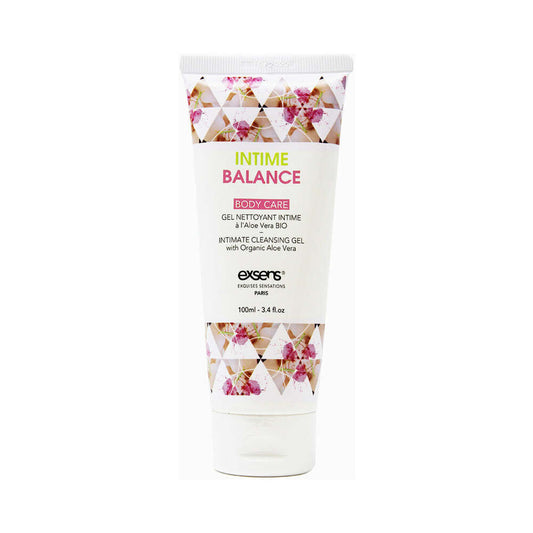
When comparing toy cleaners, read the directions before the sales copy. Look for whether it is rinse-off or no-rinse, which materials it supports, whether it is fragrance-free, and how much product is needed per use. Bottle size and spray design matter if the cleaner will live in a drawer or travel bag.
A cleaner that pairs easily with the shopper's existing routine is more useful than one with complicated instructions. For a simple care kit, combine a compatible cleaner, clean towel, storage pouch, and any needed barriers from bedroom essentials.
When Soap Is Better Than Buying More
Sometimes the right answer is not another product. If the toy instructions allow mild soap and water, the shopper has private sink access, and the routine is already easy, a separate cleaner may not be necessary. Spending more does not automatically make the toy safer or better cared for.
The reason to buy cleaner is convenience, compatibility, and routine support. If it does not improve one of those, mild soap may remain the cleaner choice in every sense.
Frequently Asked Questions
Is toy cleaner better than soap?
Not always. Toy cleaner can be more convenient, while mild unscented soap and water can be enough for many nonporous toys. The product instructions should decide the routine.
Should toy cleaner be rinsed off?
Follow the cleaner label. Some formulas are rinse-off and some are marketed as no-rinse. If the directions are unclear, choose a clearer product.
Can scented soap be used on toys?
It is better to avoid scented or heavily fragranced soaps because residue and fragrance can irritate sensitive skin. Gentle unscented soap is the safer general option when soap is allowed.
How should toys be stored after cleaning?
Store toys only after they are completely dry. Keep them away from dust, heat, incompatible materials, and anything that could damage the surface.
Final Thoughts
Toy cleaner and soap both have a place. The right choice is the one that matches the toy material, follows the instructions, rinses or dries correctly, and is easy enough to repeat after every use. Clean, dry, and consistent beats complicated every time.