Condoms and Barriers with Sex Toys: Safer Sharing, Easier Cleanup, and Material Care
By Rodel Samalca
Barriers are not only for intercourse. Condoms, dental dams, and other barrier options can make sex toys easier to share, easier to clean, and easier to move between different kinds of play with less worry. They are a practical part of toy care, especially when more than one person or body area is involved.
A barrier does not turn every toy into a no-maintenance item. Cleaning still matters, product instructions still matter, and damaged toys should still be replaced. The benefit is that barriers add a removable layer between the toy and the body, which can simplify cleanup and reduce direct contact.
Where Barriers Help Most
Barriers are especially useful when a toy is shared between partners, used by more than one person, used for anal play, or moved between body areas. They can also help with toys made from materials that are harder to clean thoroughly, though a barrier is not a perfect fix for unsafe or deteriorating materials.
They can also make cleanup easier for toys with texture, seams, or shapes that take more time to wash. Removing a condom after use does not replace cleaning, but it can reduce the amount of residue left behind and make the final wash simpler.
Condoms on Dildos and Vibrators
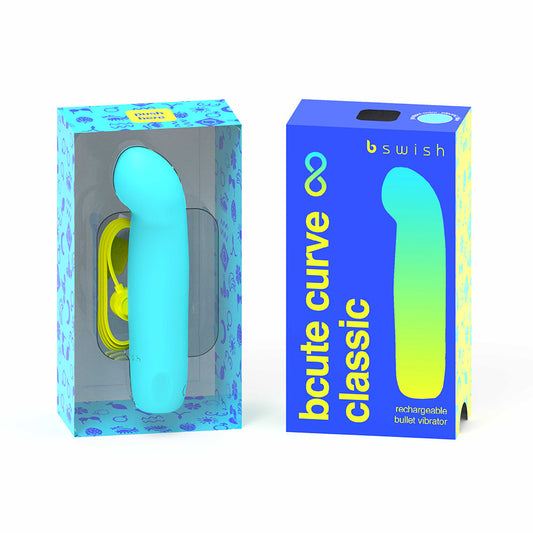
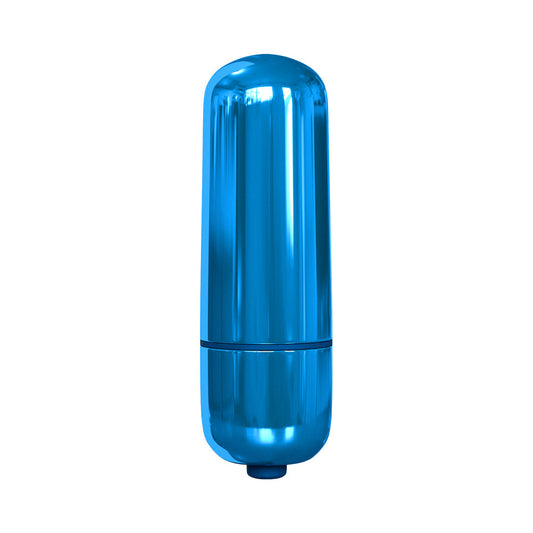
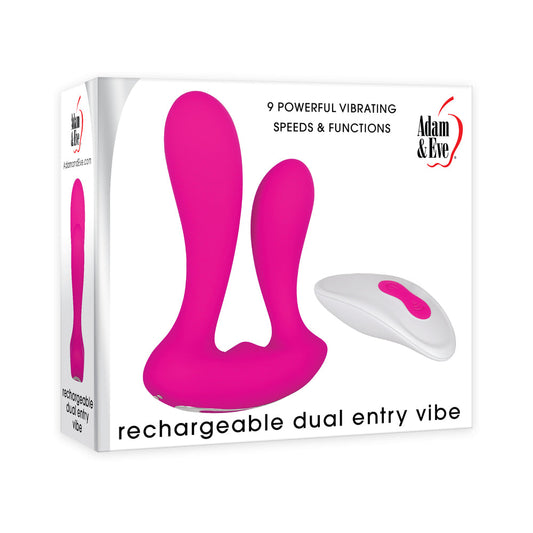
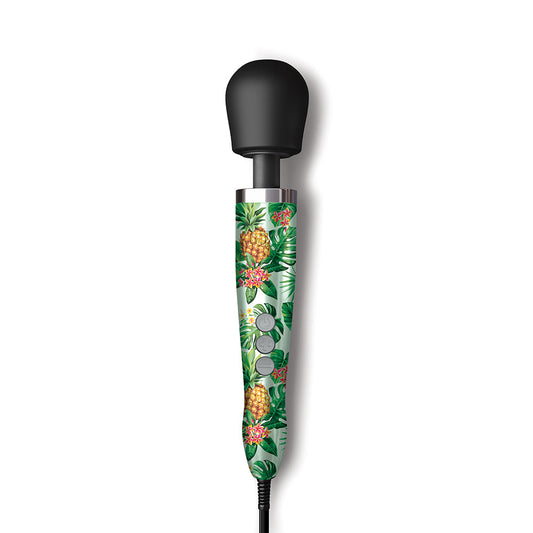
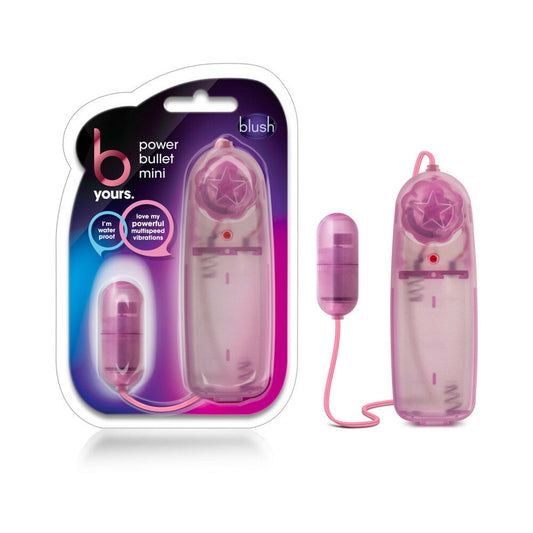
External condoms can be used on many insertable toys, including some dildos and vibrators. The condom should fit smoothly without being stretched to the point of tearing or sliding loosely during use. If it bunches, slips, or feels unstable, pause and adjust.
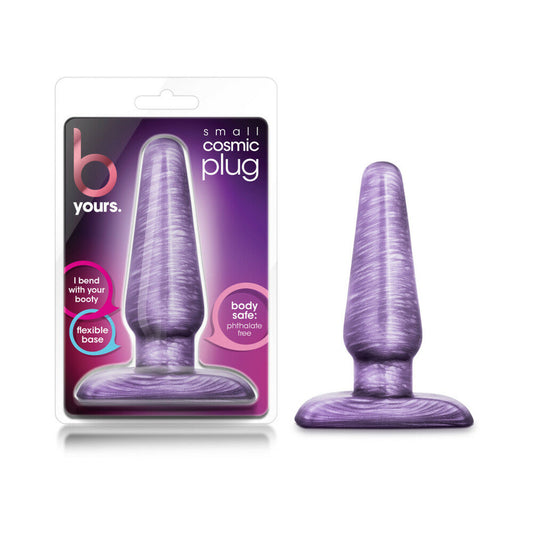
For toys with a wide base, pronounced texture, or unusual shape, fit may be less straightforward. A condom that does not sit securely can create friction or distraction. In those cases, a different toy shape, different condom size, or different barrier plan may be more comfortable.
Dental Dams and External Barriers
Dental dams and similar barriers are useful for oral contact and some external toy play. They create a protective layer without needing to fit around a shaft-shaped toy. This can be helpful for shoppers who want lower-contact exploration, especially with toys used around external sensitive areas.
As with condoms, placement matters. A barrier should stay flat enough to be useful and should be replaced if it tears, dries out, or becomes difficult to manage. More lube can help reduce friction on the side of the barrier where it is appropriate.
Switching Between Uses
One of the clearest reasons to use barriers is switching. If a toy moves from one partner to another, change the condom. If a toy moves from anal use to vaginal use, change the condom and clean the toy as appropriate. If a barrier is damaged or contaminated, replace it immediately.
Think of each barrier as single-use. It is not meant to be flipped, rinsed, reused, or saved for later. The point is to make the transition cleaner and clearer, not to create another item that has to be managed.
Latex, Non-Latex, and Sensitivities
Latex condoms are common, but not everyone can use latex comfortably. Non-latex options may be better for people with latex sensitivity or for couples who already know latex is a problem. The package should clearly identify the material so shoppers are not guessing.
Barrier material also affects lube choices. Oil-based products can damage latex, so shoppers using latex barriers should avoid oil-based lube. When compatibility is uncertain, water-based lube is usually the easiest starting point.
Lube helps barriers feel better and reduces friction that can lead to tearing. A small amount inside the condom may improve feel on some toys, while lube outside the barrier can make contact smoother. Use enough to avoid drag, but not so much that the barrier slips out of place.
Check the lube against both the barrier and the toy material. A lube can be safe for one part of the setup and wrong for another. This is why water-based options are common in beginner care kits: they simplify the compatibility puzzle.
Barriers Do Not Fix Damaged Toys
If a toy is cracked, sticky, peeling, discolored, or smells odd after cleaning, a condom should not be used as a way to keep it in rotation. Damage can create cleaning problems and surface issues that a barrier may not fully solve.
Barriers are best used with toys that are already in good condition. They add a layer of practical protection; they are not a repair method. When a toy no longer feels clean or intact, replacement is the safer decision.
Cleanup After Barrier Use
After use, remove the barrier carefully, throw it away, and clean the toy according to its instructions. Wash hands as needed, especially when switching between activities. Let the toy dry completely before putting it into storage.
This is a good moment to restock. Running out of barriers or lube is one of those small things that can derail a future plan. Keeping barriers, lube, cleaner, and storage together makes the routine easier to repeat.
Building a Barrier-Friendly Kit
A practical kit can include condoms in the right size, non-latex options if needed, dental dams or other external barriers, compatible lube, a cleaner, and a storage pouch. These items are not flashy, but they make shared toy use feel more organized and less improvised.
For shoppers browsing sex toys, the support items should be part of the same decision. A toy that will be shared should not arrive without the basics that make sharing cleaner and easier.
Frequently Asked Questions
Can condoms be used on sex toys?
Yes, condoms can be used on many insertable toys when they fit securely and are compatible with the toy shape. Replace the condom between partners, body areas, or uses.
Do barriers replace cleaning?
No. Barriers can make cleanup easier, but the toy should still be cleaned according to its instructions after use.
What lube works best with condoms and barriers?
Water-based lube is a practical default because it is compatible with many toys and barriers. Avoid oil-based lube with latex barriers.
Should barriers be reused?
No. Condoms, dental dams, and similar barriers are single-use items. Throw them away after use and use a fresh barrier for the next activity.
Final Thoughts
Condoms and barriers make toy play more organized, especially when sharing, switching, or cleaning quickly matters. Choose the right material, use compatible lube, change barriers between uses, and still clean the toy afterward. The routine is simple because each step has a job.