Strap-On Harnesses for Beginners: Fit, Compatibility, and Partner Communication
By Rodel Samalca
A strap-on setup is not one product. It is a small system: the harness, the O-ring, the compatible dildo, the lube, the cleanup plan, and the conversation around how it will be used. Beginners often focus on the toy first, but the harness is what decides whether the setup feels secure, awkward, adjustable, or easy to abandon.
The goal of a first harness is not to look advanced. It should hold the toy steadily, fit the wearer without pinching, allow the receiver to feel heard, and make stopping or adjusting feel normal. A good beginner setup is practical before it is exciting.
Think of the Harness as Equipment
A harness works more like wearable gear than a typical toy. Fit, strap placement, buckle style, and fabric feel matter because the harness moves with the body. If it shifts, twists, or digs in, the whole experience can feel clumsy no matter how good the dildo is.
Beginners should look for clear adjustment points, visible strap layout, and product photos that show how the harness sits on the hips and thighs. A page that only shows a styled front view may not give enough information to judge fit.
Choose a Style Before Choosing a Look
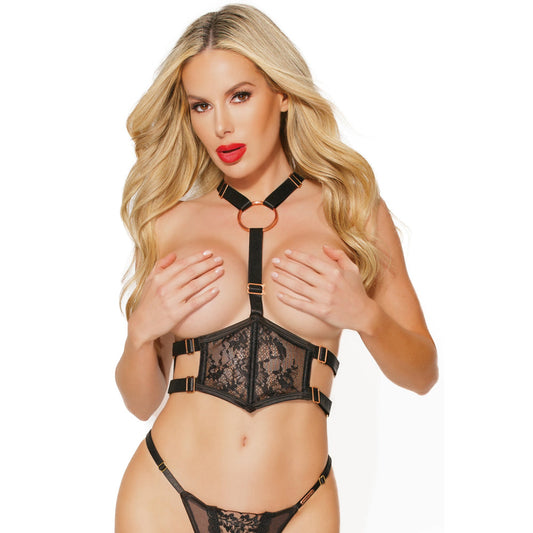
Most shoppers will see underwear-style harnesses, strappy harnesses, and boxer or brief-style designs. Underwear-style options can feel familiar and less technical. Strappy designs may offer more adjustability and a more open fit. Boxer-style harnesses can feel covered and casual, but they may vary in how securely they hold the toy.
There is no universal best style. The best beginner choice is the one the wearer can imagine putting on without a long setup ritual. If getting into the harness already feels stressful, it will be harder to relax into the experience.
Fit Is About More Than Waist Size
Waist range matters, but thigh straps, rise, buckle placement, and front-panel stability matter too. A harness can technically fit around the body and still feel wrong if the straps sit uncomfortably or the toy sits too high, too low, or too loosely.
Check whether the product page lists adjustable ranges and whether those ranges match the person who will wear it. If two people may share the harness, choose an option with enough adjustability for both bodies or accept that one shared harness may not be the best fit for everyone.
O-Rings Decide Compatibility
The O-ring is the opening that holds the dildo in place. Some harnesses come with interchangeable rings, while others have a fixed ring. Interchangeable rings give beginners more room to adjust the setup as they learn what size toy feels right.
Compatibility is not only about whether the dildo fits through the ring. The base needs to sit securely against the harness, and the shaft needs enough support to stay aligned during movement. A toy that is too narrow may wobble; one that is too wide may not fit or may pull awkwardly against the harness.
Pair the Dildo Conservatively
For a first strap-on setup, a moderate dildo usually makes more sense than an ambitious one. The wearer is learning movement and control at the same time the receiver is learning what the angle and pressure feel like. Too much size or firmness can make both jobs harder.
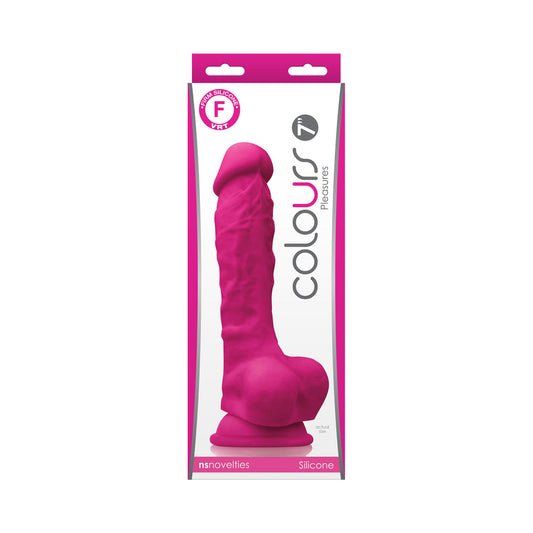
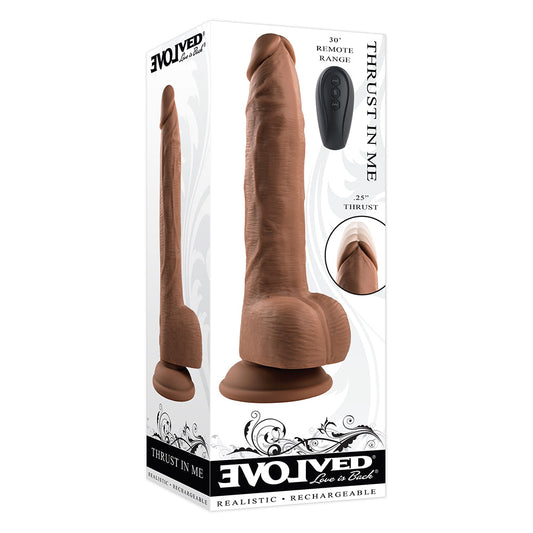
A compatible flared base is important, especially for harness use. The toy should be easy to clean, compatible with the chosen lube, and realistic for the receiving partner's comfort level. If the dildo would feel intimidating on its own, putting it in a harness will not make it simpler.
Practice Setup Before the Moment
The least romantic time to learn a buckle is when both people are waiting. Try the harness on privately first. Adjust the straps, test the O-ring, insert the toy, walk around, sit down, and notice what shifts. This is not overthinking; it is basic setup.
A short dry run also helps the wearer feel less self-conscious. The first real use should not include ten minutes of guessing which strap goes where. Familiarity with the gear makes it easier to focus on the partner instead of the hardware.
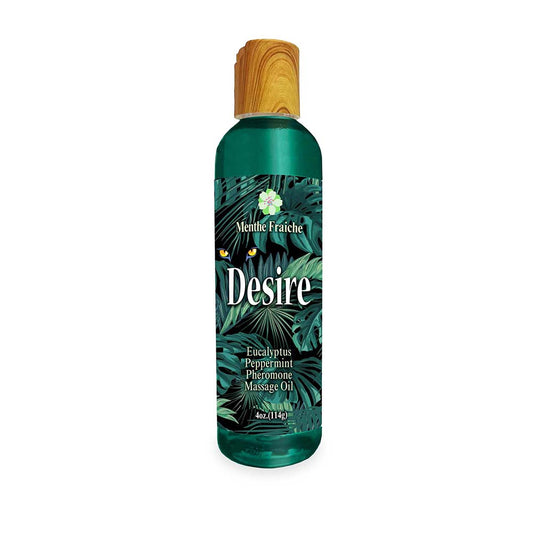
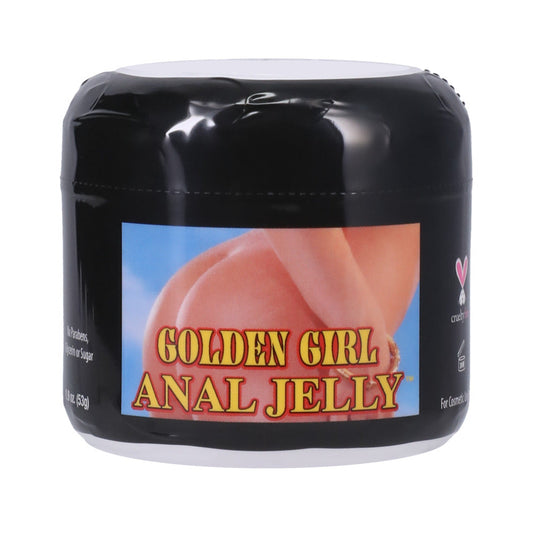
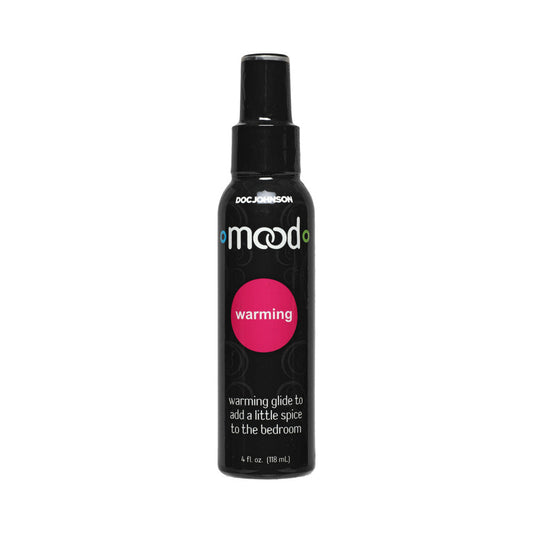
Most strap-on play needs more lube than beginners expect. Water-based lube is a practical default because it is widely compatible with silicone toys and easy to clean. Keep it within reach so adding more does not interrupt the moment.
Pace should start slower than either person thinks is necessary. The wearer may need time to learn control, and the receiver may need time to adjust to angle and pressure. Treat feedback as navigation, not criticism.
Communication Should Be Specific
General consent matters, but strap-on play benefits from practical language. Talk about size, depth, speed, positions, who guides movement, and what words mean pause or stop. If someone wants to try only external contact first, that is still a valid first use.
The wearer may also need reassurance that adjustment is allowed. A slipping strap, awkward angle, or need for more lube should not feel like a failure. A beginner-friendly experience makes correction ordinary.
Positions Can Solve Fit Problems
If the setup feels awkward, the harness may not be the only issue. Position changes can improve angle, stability, and communication. Side-lying, receiver-on-top, or supported positions may give beginners more control than trying to copy a more athletic setup immediately.
Use pillows, towels, or furniture for support if needed. The best first position is the one where both people can breathe, talk, adjust, and stop without feeling trapped by the arrangement.
Cleaning Has Two Parts
Clean the dildo according to its material instructions, and clean the harness according to the fabric or manufacturer guidance. Those are separate care tasks. A silicone toy may be simple to wash, while a fabric or leather harness may need more careful handling.
Let everything dry fully before storage. Straps and seams can hold moisture, and trapped moisture makes gear less appealing to reuse. A cleaner, towel, and storage pouch from bedroom essentials can keep the setup together between uses.
When a Beginner Should Upgrade
Upgrade after the first setup teaches something concrete. Maybe the wearer wants more strap stability, the receiver wants a different toy size, or both people want a harness that looks more like lingerie or less like equipment. Those are useful discoveries.
Buying a more advanced harness before learning the basics can create expensive guesswork. A simple, adjustable first setup often gives better information than a dramatic one chosen mostly for appearance.
Frequently Asked Questions
What should beginners look for in a strap-on harness?
Beginners should look for adjustability, clear sizing, stable O-ring support, comfortable strap placement, compatible toy options, and care instructions that are easy to follow.
Do strap-on harnesses come with dildos?
Some do, and some are sold separately. If buying separately, check the O-ring size, toy base, shaft diameter, and material compatibility before checkout.
Is an underwear-style harness easier?
It can be easier for shoppers who want something familiar to wear. Strappy harnesses may offer more adjustability, while underwear-style designs may feel less intimidating. Fit matters more than style label.
What lube should be used with a strap-on setup?
Water-based lube is a practical beginner choice because it works with many silicone toys and cleans up easily. Always check the toy's material guidance before using silicone lube.
Final Thoughts
A first strap-on harness should make the setup feel steadier, not more complicated. Start with fit, O-ring compatibility, a manageable dildo, enough lube, and a clear conversation. When the gear is understandable, both people have more room to pay attention to each other.