Non-Vibrating Dildos for Beginners: Materials, Bases, Sizes, and First-Toy Comfort
A non-vibrating dildo can be a good first toy because it is simple, quiet, and easy to understand. There are no buttons to learn, no charging schedule, and no settings to cycle through at the wrong moment. The important choices are more physical: material, size, firmness, shape, base style, and how the toy will be cleaned and stored.
That simplicity does not mean every option is beginner-friendly. A first dildo should feel manageable before it feels exciting. The best starting point is usually a body-safe material, a realistic size range, enough base stability for the intended use, and a care routine the shopper can actually follow.
Start With Shape, Not Fantasy
Product names and photos can make the category feel bigger than it needs to be. For a first purchase, shape matters more than fantasy language. Look at the tip, shaft width, curve, texture, and base. A smooth, gently tapered shape will usually feel less demanding than pronounced texture or dramatic proportions.
Curved designs can be useful when someone wants more targeted pressure, but they may also feel more specific than a straight or lightly contoured toy. Beginners who are not sure what they like may prefer a simpler silhouette first, then use that experience to choose something more specialized later.
Size Is More Than Length
Length gets attention, but circumference often decides comfort. A toy that looks reasonable in a photo can feel very different in the hand. Check measurements instead of guessing from packaging, and remember that insertable length is not always the same as total length.
For many beginners, a modest diameter and a shape that narrows at the tip are easier to approach. A longer toy is not automatically more useful if the width, firmness, or angle feels like too much. A first dildo should leave room for curiosity rather than turning the first try into a challenge.
Material Changes the Experience
Body-safe silicone is a common beginner choice because it is nonporous, smooth, and easy to clean when cared for correctly. Glass and stainless steel can also be body-safe and easy to sanitize, but they feel firmer, heavier, and less forgiving. Softer materials may look approachable, but shoppers should avoid vague listings that do not clearly identify the material.
Firmness matters as much as material name. A soft silicone toy can feel flexible and forgiving, while a very firm silicone toy may feel more direct. If a product page includes firmness notes, use them. If it does not, reviews and product photos may help, but clear material information should still be the baseline.
Why the Base Matters
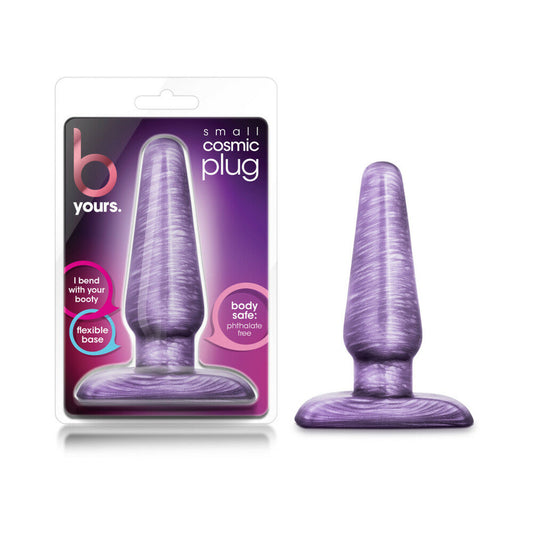
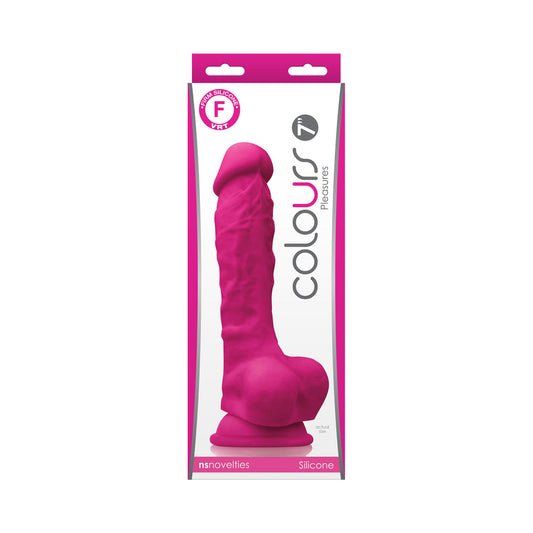
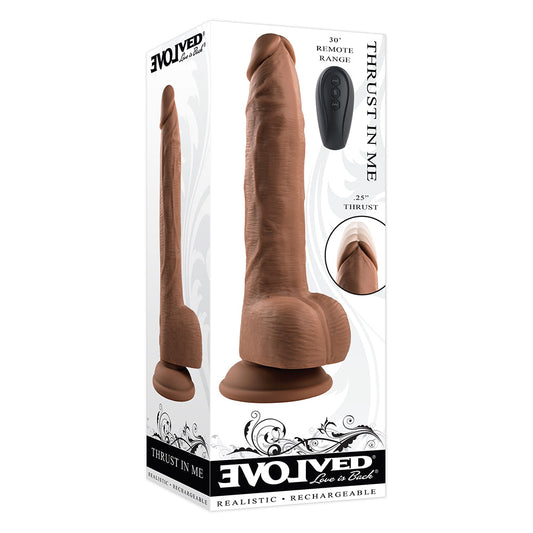
The base is not just a visual detail. A flared base is important for anal-safe use, and it can also make a toy easier to hold, position, and remove. A suction cup base can add hands-free options on clean, smooth surfaces, but it should not be the only reason to buy a toy if the size or shape is not right.
Some shoppers also want harness compatibility. In that case, the base needs to work with the harness and O-ring size, and the toy should be firm enough to stay manageable during movement. If harness use might be part of the plan, check compatibility before buying instead of trying to force a mismatch later.
Lube Compatibility Is Part of the Choice
Most beginners should keep water-based lubes nearby because they are widely compatible and easy to clean up. Silicone lube can feel slicker and last longer, but it may not be compatible with silicone toys unless the manufacturer says it is safe. When in doubt, choose the lube that clearly matches the toy material.
Using enough lube is not an advanced trick. It is part of comfort, especially with a non-vibrating toy where movement and pressure are controlled by the person using it. If the toy starts to drag, pause and add more. Pushing through friction is not useful information; it is a sign to slow down.
Cleaning Should Be Obvious Before Checkout
A good first toy should come with care instructions that make sense. Most nonporous toys can be cleaned with mild soap and water or a compatible toy cleaner, then dried completely before storage. Motors are not involved here, which simplifies care, but base shapes, texture, and suction cups can still trap residue if rushed.
Cleaning before first use is a smart habit, even when the toy is new. After use, wash it according to the product instructions, inspect it for damage, let it dry, and store it away from dust and incompatible materials. A dedicated pouch or box keeps the routine simple and makes the toy easier to find later.
Solo, Partnered, and Harness Use Are Different Buying Lanes
A dildo chosen for solo use may prioritize grip, curve, and easy handling. A dildo chosen for partnered use may need a shape both people can discuss comfortably, plus a size that does not make the first conversation feel loaded. A dildo chosen for harness use needs base and O-ring compatibility, not just a nice product photo.
It helps to name the lane before comparing products. Someone buying for quiet solo exploration may not need the same toy as a couple building a strap-on setup. A shopper who knows the lane can ignore features that do not matter and spend more attention on the details that will actually affect comfort.
How to Make the First Try Useful
The first try does not need to be a full scene or a big test. It can be a slow check-in: wash the toy, feel the material, test the lube, notice the size, and stop while everything still feels calm. That kind of first use teaches more than trying to make the toy perform a fantasy immediately.
For partner play, talk before the toy comes out. Agree on pace, language, lube, stopping signals, and whether the first attempt is just a short exploration. A calm plan keeps the toy from becoming a surprise or a test, which is especially important when one person is new to the category.
Good Beginner Signs on a Product Page
Look for clear material labeling, exact measurements, a visible base, care instructions, lube compatibility, and photos that show scale. A product page that answers ordinary questions is doing useful work for the shopper. A page that relies mostly on suggestive copy may not give enough information for a confident first purchase.
Reviews can help when they mention size, firmness, ease of cleaning, and whether the base is comfortable to hold. Ignore reviews that only say a toy is amazing or terrible without explaining why. Specific details are what help a beginner compare one option with another.
Common First-Purchase Mistakes
The most common mistake is buying too much toy too soon: too wide, too firm, too textured, or too specific for a first experiment. Another mistake is skipping the support items. A good toy can still become frustrating if the buyer forgets lube, cleaner, storage, or compatibility details.
It is also worth avoiding mystery materials, novelty-only listings, and products without clear measurements. A first toy should reduce uncertainty, not add more of it. If two options look similar, choose the one that explains itself better.
A Simple Starter Cart
A practical first cart might include one body-safe non-vibrating dildo, water-based lube, a cleaner or mild washing routine, and a storage pouch. If the toy may be shared, consider barriers as well. If it may be used with a harness, confirm the base and O-ring fit before checkout.
This is not about adding extras for the sake of a bigger cart. It is about removing avoidable friction from the first experience. The easier the toy is to use, clean, and put away, the more likely it is to become a comfortable part of exploration instead of a one-time awkward purchase.
Frequently Asked Questions
Are non-vibrating dildos good for beginners?
They can be. Their simplicity makes them approachable, but beginners should still pay attention to size, material, firmness, base style, lube compatibility, and cleaning instructions.
What material should a beginner choose?
Body-safe silicone is often a practical first choice because it is smooth, nonporous, and easy to clean. Glass and stainless steel can also be body-safe, but they feel much firmer and may be better for shoppers who already know they want that sensation.
Does every dildo need a flared base?
A flared base is important for anal-safe use and useful for handling. If anal play or harness use is part of the plan, base design should be treated as a core safety and compatibility detail.
What lube works best with silicone toys?
Water-based lube is the safest general starting point for silicone toys. Silicone lube may not be compatible unless the toy maker specifically says it is.
Final Thoughts
A good first non-vibrating dildo is not the boldest option on the shelf. It is the one with clear materials, realistic sizing, a useful base, compatible lube, and care instructions that make the toy easy to return to. Start with comfort and clarity, then let experience guide the next choice.