Sex Toy Materials Guide: Silicone, Glass, Metal, and What Beginners Should Know
By Rodel Samalca
Material is one of the most important details in a pleasure product. It affects feel, firmness, cleaning, lube compatibility, temperature, storage, and long-term comfort. A beginner does not need to memorize every technical term, but understanding the basics makes shopping much easier.
Why Material Matters
When browsing sex toys, product shape and power are easy to notice first. Material is quieter but just as important. It determines whether a toy feels soft, firm, flexible, weighty, warm, cool, or easy to clean.
Material also affects the products you pair with the toy. Lube, condoms, storage bags, and cleaning methods all depend on what the toy is made from.
Silicone-Style Toys
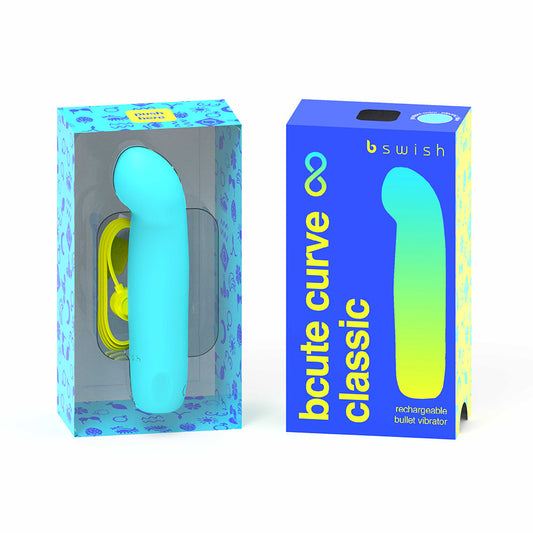
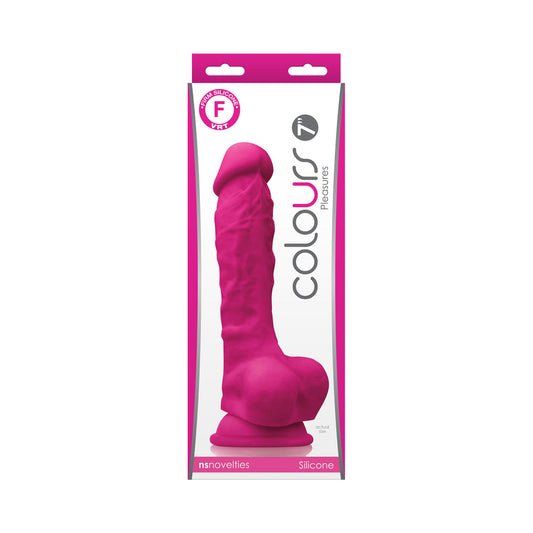
Many modern vibrators and insertable toys use silicone or silicone-like body-safe surfaces because they feel smooth and clean easily. Silicone can be soft and flexible or firm depending on the design.
For many beginners, silicone paired with water-based lubes is the simplest starting point. Always check the product instructions, especially before using silicone-based lubricant with silicone toys.
Glass Toys
glass dildos are firm, smooth, and often visually striking. They do not flex, so size and shape matter. Because glass holds temperature, some users enjoy warming or cooling it safely according to product instructions.
Beginners should choose approachable shapes and inspect glass toys before use. Do not use a toy that is chipped, cracked, or damaged.
Metal Toys
metal dildos have weight, firmness, and a sleek feel. Like glass, metal does not compress much, so a smaller size can feel more intense than expected. That firmness can be appealing, but it is not always the best first step for everyone.
Metal is often easy to clean, but users should still follow product instructions. Temperature play should be gentle and safe; avoid extremes.
Realistic and Non-Realistic Designs
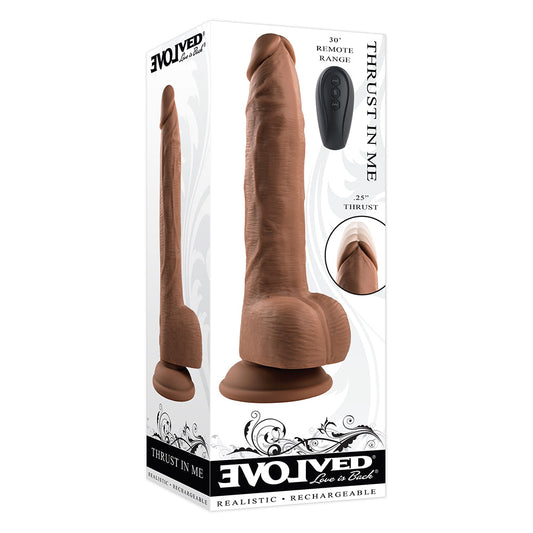
Some shoppers prefer realistic dildos, while others prefer abstract or non-realistic shapes. This is personal. Realistic design does not automatically mean better, and abstract design does not mean less effective.
If you want a softer visual style, compare non-realistic dildos or smooth vibrators. Choose what feels inviting rather than what seems expected.
Texture, Firmness, and Shape
Texture can add sensation, but beginners often do better with smoother shapes first. Firm toys transmit pressure directly. Softer toys may feel more forgiving. Curved toys can target specific areas but may need more careful positioning.
If you are unsure, browse sex toy kits or best sellers to understand common beginner-friendly shapes before committing.
Cleaning by Material
Cleaning instructions vary. Some waterproof nonporous toys can be washed with mild soap and water, while others need more careful handling around motors, seams, or charging ports. Product instructions are the source of truth.
Build cleaning into the routine with essentials. Clean before and after use, dry completely, and store toys separately when possible.
Storage and Compatibility
Do not toss every toy into one drawer uncovered. Some materials can pick up lint, press against each other, or become damaged over time. Storage pouches, separate compartments, and clean dry conditions help products last longer.
Keep charging cords, remotes, and manuals together if needed. A neat routine makes repeat use easier.
Quick Shopping Checklist
Choose smooth silicone-style surfaces for an easy first toy.
Choose glass or metal only if firm pressure sounds comfortable.
Check measurements, not just photos.
Confirm lube compatibility.
Read cleaning instructions before first use.
Store toys clean, dry, and separate.
Beginner Shopping Tips
When comparing toy materials options, slow the decision down and read the full product description. Photos are helpful, but they do not always show size, charging method, waterproof rating, material, sound level, or care instructions clearly. Those practical details are what determine whether a product fits real life.
A good shopping habit is to imagine the first ten minutes after the package arrives. Will you know how to charge it, clean it, store it, and use it comfortably? If the answer is yes, the product is probably beginner-friendly. If the answer is unclear, look for simpler controls, clearer measurements, or a more familiar category.
It can also help to compare the product with nearby categories. A shopper looking at vibrators may discover that a small external toy feels less intimidating than a larger insertable option. Someone browsing lingerie may realize that a soft chemise is more wearable than a structured corset. The best choice is the one that fits the shopper's actual comfort level.
Comfort, Communication, and Consent
Adult products should support comfort rather than create pressure. If a product is for solo use, give yourself permission to learn it gradually. If it is for partner use, talk about it before the moment becomes charged. Clear communication makes the product feel like an invitation instead of a surprise test.
For partner purchases, avoid framing a toy, outfit, or accessory as something that fixes a person. Better language is simple and collaborative: this looks fun, would you want to try it, or should we shop together? That tone keeps curiosity at the center.
Comfort also includes practical supports such as lubes, cleaning supplies, storage, and privacy. A product is easier to enjoy when the surrounding routine is already handled.
How to Compare Product Listings
Before adding anything to the cart, compare at least three details: size, material, and care instructions. Size affects comfort. Material affects feel and cleaning. Care instructions affect whether the product will be easy to keep in good condition.
Also check power source, charging time, waterproof claims, and whether batteries are included or required. For wearable or app-connected products, read setup notes carefully. A product that sounds exciting can become frustrating if the setup is not a good fit for the user.
If the product is part of a larger routine, choose supporting items at the same time. For example, pair toys with water-based lubes, condoms where relevant, or storage from essentials. Pair lingerie with pieces that make it more wearable, such as stockings, robes, or adjustable sets.
When to Start Simple
Simple is not boring. For many shoppers, simple is what makes a first purchase successful. A smaller toy, softer fabric, clearer control layout, or basic lubricant can create a better first experience than a complicated premium option.
Starting simple also gives you a baseline. Once you know what you like, later upgrades become easier. You can choose more power, more structure, different materials, or more advanced features because you understand what you are adding.
If you are unsure between two choices, pick the one that feels easiest to use tonight, not the one that sounds most impressive in theory. Confidence grows from products that actually get used.
Frequently Asked Questions
Is toy materials a good beginner topic?
Yes, as long as the shopper chooses comfort-first options and reads product details carefully. Beginner-friendly does not mean basic forever. It means the first step should be clear, approachable, and easy to repeat.
How do I know if a product is too advanced?
A product may be too advanced if the size feels intimidating, the controls seem confusing, the cleaning routine is unclear, or the intended use creates pressure instead of curiosity. Choose the item that feels inviting, not the one that makes you brace yourself.
Not always. A low price can be useful, but quality, material, and clear instructions matter. Look for a balance: beginner-friendly, body-conscious, easy to clean, and priced in a way that makes sense for your comfort level.
What should I do if the first choice is not perfect?
Treat it as information. Preferences take time. You may learn that you prefer softer texture, quieter power, lighter pressure, different sizing, or a simpler style. That does not mean the purchase failed; it means the next choice can be smarter.
Think About Feel Before Features
Material affects sensation before any motor, shape, or feature comes into play. Silicone can feel soft, grippy, smooth, or velvety depending on the finish. Glass feels firm, slick, and weighty. Metal feels firm, cool, and heavy. These differences can matter more than color or pattern.
Beginners should ask what kind of pressure they usually prefer. Someone who likes cushioning may prefer silicone. Someone who likes firm pressure may be curious about glass or metal. Someone who is unsure may want a smaller, simpler shape in a material that is easy to clean.
Material choice also affects temperature. Glass and metal can be warmed or cooled safely when instructions allow, while silicone usually feels more neutral. Temperature play is optional, but the natural coolness of firm materials may surprise new shoppers.
Understand Porous Versus Nonporous
One of the most important material questions is whether a toy is porous. Nonporous materials are easier to clean because fluids and residue are less likely to settle into the surface. Silicone, glass, and stainless steel are commonly discussed as body-conscious nonporous options when they are genuine and well made.
Porous materials can be harder to clean fully and may wear down faster. Some novelty materials feel soft, but softness alone does not mean the material is the best long-term choice. Read product descriptions and choose reputable listings that clearly identify the material.
If a shopper cannot confirm what a toy is made from, that is a reason to pause. A clear material description is part of a trustworthy product listing.
Match Lubricant to Material
Lubricant compatibility is a practical part of material choice. Water-based lube is a common beginner option because it works with many toy materials, including silicone toys. Silicone-based lube may not be appropriate for silicone toys unless the manufacturer confirms compatibility.
Glass and metal are often more flexible with lubricant choice, but the body and the rest of the routine still matter. Condoms, partner preferences, cleanup, and sensitivity can all influence which lubricant makes sense.
When unsure, start with water-based lubricant and read the label on both the toy and the lube. Compatibility prevents surface damage and keeps the product easier to clean.
Weight, Firmness, and Control
Glass and metal toys can feel more intense because they do not compress the way softer materials do. That firmness can be appealing for users who like steady pressure, but it can be too much for someone who expects cushion. Smaller sizes and simple shapes are friendlier starting points.
Silicone toys vary widely. Some are very flexible and plush, while others are firm with only a soft surface. Product photos may not show this clearly, so look for words such as flexible, bendable, firm, soft-touch, or dual-density.
Control also matters. A heavy toy may feel premium but require more wrist strength or careful handling. A very flexible toy may feel gentle but harder to position precisely. Choose the material and shape together rather than treating material as a separate decision.
Cleaning Routines by Lifestyle
The best cleaning routine is one the user will actually follow. Some materials allow more thorough cleaning methods, but every toy should still be cleaned according to its own instructions. Waterproof ratings, motors, seams, and charging ports can change the care routine.
For busy shoppers, simple shapes are easier to clean than textured surfaces with many ridges. Glass and metal without motors are often straightforward, while motorized toys require more attention around buttons and ports. Silicone can be easy to clean too, especially when the shape is smooth.
After cleaning, dry toys completely before storage. Store each item separately, keep lubricant caps tight, and avoid leaving toys in hot cars, sunny windows, or damp bathrooms.
How to Choose a First Material
If you want a forgiving first choice, start with body-safe silicone in a moderate size and simple shape. It offers a familiar balance of comfort, flexibility, and easy care. If you already know you like firm pressure, glass or metal may be worth exploring in a beginner-friendly shape.
If aesthetics matter, choose a material you feel good about seeing and storing. A product that feels beautiful, clean, and well made can make the whole routine feel more intentional. But looks should not outrank comfort, size, care instructions, or lubricant compatibility.
When comparing two good options, choose the one with clearer material information and simpler care. Transparency is part of quality. A listing that tells you exactly what the toy is, how to clean it, and what lubricant to use is usually the safer bet.
Red Flags in Material Listings
Be cautious when a listing uses vague phrases without naming the actual material. Words like jelly, novelty, soft feel, or realistic blend may not tell you enough about body safety or cleaning. A trustworthy listing should make material information easy to find.
Strong chemical odor, sticky texture, unclear care instructions, or missing compatibility notes are reasons to pause. Beginners do not need to become material scientists, but they should expect clear, basic information from the product page.
If two toys look similar, choose the one with better transparency. Clear material, cleaning, lubricant, and storage details are part of the product's value.
Build a Material-Smart Starter Kit
A beginner-friendly starter kit might include one body-safe silicone toy, water-based lubricant, toy cleaner, and an individual storage pouch. That combination covers many common needs without making the routine complicated.
Someone curious about firm materials could add a small glass or metal item later, after learning what size and shape feel comfortable. Firm materials are best approached with patience because they provide pressure differently than softer toys.
Over time, material preferences become easier to recognize. You may learn that you like matte silicone, slick glass, weighty metal, flexible shapes, or very smooth finishes. Those observations make future shopping more accurate and less dependent on guesswork.
When in Doubt, Choose Clarity
Material shopping gets easier when clarity becomes the standard. Clear material names, simple care instructions, visible sizing, and lubricant guidance should all be present before a product goes into the cart.
If a listing leaves too many questions, choose another product. Adult shoppers deserve the same practical transparency they would expect from skincare, wellness tools, or intimate apparel. Good information protects comfort, safety, and confidence.
That clarity also helps later. When you know what a product is made from and how it behaves, you can compare future purchases more intelligently instead of starting from scratch each time.
For beginners, the safest shopping habit is to slow down when material details are unclear. A transparent listing should name the material, explain cleaning, and mention lubricant compatibility. That information makes the product easier to trust and easier to care for after it arrives.
Final Thoughts
Understanding materials helps you buy with more confidence. Start with comfort, cleaning, and compatibility. Compare dildos, vibrators, glass dildos, and metal dildos to find the material and shape that fit your routine.