Discreet Sex Toy Storage: Privacy, Travel, and Organization Tips for Beginners
By Rodel Samalca
Buying a toy is only one part of the experience. The other part is figuring out where it lives when it is not in use. Discreet sex toy storage helps keep products private, protected, easy to find, and ready when you want them.
This guide focuses on storage, privacy, travel, and organization. It is not a deep cleaning guide. The simple rule is to put toys away clean and fully dry, then store them in a way that protects the material, the charger, and your peace of mind.
Why Discreet Storage Matters
Good storage is about more than hiding something away. It helps protect your investment, keeps your space organized, and makes the next use feel easier. A toy that is clean, charged, and in the right pouch is much more inviting than one buried loose in a drawer.
Privacy also matters. Not everyone lives alone. Some people share space with roommates, family, partners, children, or frequent guests. A discreet system lets you keep personal items private without making the storage setup feel dramatic or suspicious.
Whether you own one compact toy or a growing collection of sex toys, a simple storage routine can make everything feel calmer and more manageable.
Start With Clean, Dry, Ready-to-Store Toys
Before storage, make sure toys are clean and completely dry. Moisture trapped inside a pouch, case, or drawer can create odor, residue, or problems around seams and charging ports. Pat the toy dry with a clean towel, then allow it to air dry if needed before putting it away.
Follow the product instructions for cleaning. Some waterproof vibrators may allow mild soap and water, while others may need more careful handling. For supporting supplies, browse essentials and choose items that fit the product’s material and instructions.
Once the toy is clean and dry, storage becomes much simpler. The goal is not to make the routine complicated. The goal is to avoid tossing items loose into a drawer and hoping for the best.
Use Pouches, Cases, or Compartments
The easiest discreet storage option is a dedicated pouch. Satin pouches, soft drawstring bags, cosmetic bags, small zip cases, and drawer organizers can all work. The best choice depends on how much privacy you need and how many items you own.
Separate storage is especially useful for toys made from different materials. Some products should not be stored pressed tightly against other toys for long periods. A pouch or compartment helps protect surfaces from lint, dust, scratches, color transfer, and unnecessary contact.
For a small collection, one pouch per toy is usually enough. For a larger collection, consider grouping by category: small external toys, insertable toys, chargers, lubricants, and cleaning supplies.
Think About Privacy Level
Discreet storage looks different for different homes. Someone living alone may only need a tidy drawer. Someone with roommates may prefer a plain toiletry bag. Someone with children or frequent visitors may want a lockable case or a higher shelf.
The best storage system should blend naturally into your life. A simple travel organizer, makeup bag, craft box, nightstand case, or small lockbox can all look ordinary while still keeping personal items private.
If you share a room or closet, avoid obvious labels. A plain pouch or small storage cube is usually better than anything that announces what is inside.
Organize Charging Cords and Batteries
Rechargeable toys are convenient, but their cords are easy to lose. Keep charging cords with the toy they belong to, or use a labeled cord pouch if you have multiple rechargeable items. A tiny tag, rubber band, or compartment can save frustration later.
For rechargeable products, avoid storing them completely dead for long stretches when possible. Charge according to the manufacturer’s instructions and keep charging ports dry. If the toy uses removable batteries, follow the product guidance for long-term storage and avoid mixing old and new batteries.
Lubricants and toy cleaners should not be tossed loosely into the same pouch as electronics. Bottles can leak, caps can loosen, and residue can end up where you do not want it. Store lubes upright when possible and keep liquids in a separate compartment or sealed bag.
If you are packing a nightstand kit, try a simple layout: toy in one pouch, lube upright nearby, cleaner or wipes separate, and a small towel or cloth in the same drawer. That keeps the setup convenient without making the storage messy.
Small-Space Storage Ideas
If space is limited, think compact and modular. A small drawer organizer, bedside pouch, fabric storage cube, cosmetic case, or under-bed box can work well. The key is to choose something easy to access but not obvious to anyone else.
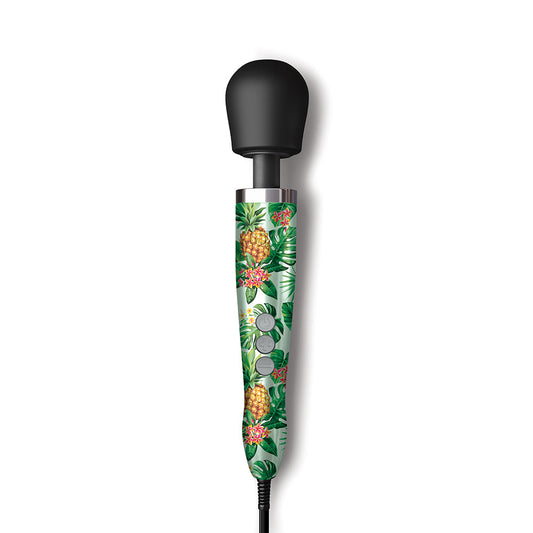
For tiny spaces, a compact toy may be easier to store than a large wand or full kit. Categories like extra quiet vibrators and smaller external toys can be practical for shoppers who need discretion, portability, or shared-space privacy.
If you are building a setup from scratch, start small. One toy, one pouch, one charger spot, and one lube storage spot is enough. You can expand the system later if your collection grows.
Travel and Overnight Storage
Travel storage has two goals: protect the toy and protect your privacy. Use a pouch or case that keeps the product clean and separate from toiletries, makeup, shoes, or loose items in a bag. If the toy has a travel lock, learn how to use it before packing.
Pack charging cords in the same travel kit, but keep liquids separate in case of leaks. If you are flying, review current airline and destination rules before traveling with adult products. For road trips or overnight stays, a plain toiletry bag can be discreet and practical.
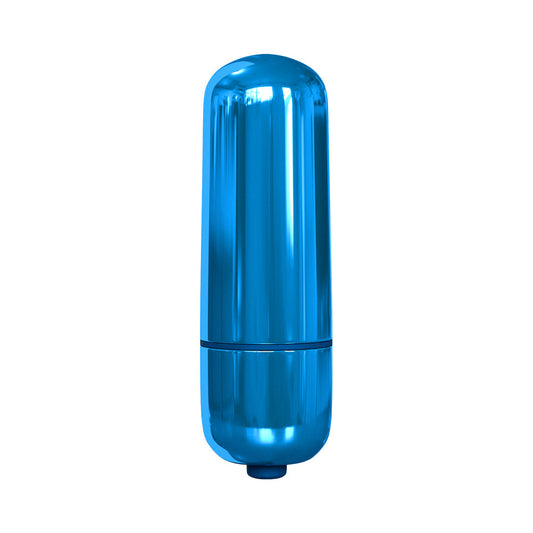
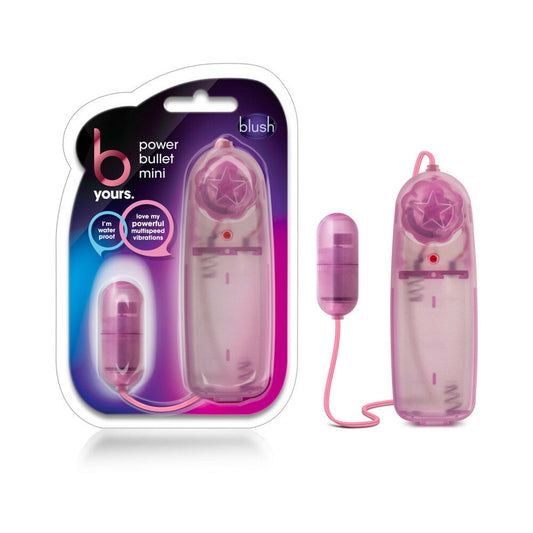
Smaller toys are often easier for travel because they take less space and draw less attention. Compact bullet vibrators or slim external toys may fit better than larger products if privacy is a concern.
Couples and Shared Storage
If a toy is shared with a partner, storage should be discussed too. Decide where it lives, who cleans it, where the charger goes, and how private it needs to be. A shared routine prevents awkward surprises and keeps the item from disappearing into a drawer neither person checks.
Shared products can also benefit from a small dedicated kit: toy, charger, lubricant, cleaning supplies, and a soft cloth. That makes the experience feel prepared instead of improvised.
For couples exploring together, the storage conversation can be low-pressure. Try simple language: “Where should we keep this so it is private but easy to find?” That keeps the focus practical.
When to Use a Lockable Case
A lockable case can be useful if privacy is important or if children, roommates, guests, or maintenance workers may access the same space. It does not need to be dramatic. A small lockable toiletry case, document box, or travel case can do the job.
Choose a case that fits the items without forcing them to bend, press, or crowd together. If the case is airtight, make sure items are fully dry before closing it. For rechargeable toys, avoid storing cords in a way that presses sharply against charging tips.
Common Storage Mistakes
Putting toys away before they are fully dry.
Storing multiple toys loose together without pouches.
Letting lube bottles leak near electronics.
Losing charging cords because they are stored separately.
Leaving toys in extreme heat, direct sunlight, or damp places.
Using obvious labels when privacy matters.
Buying more products before creating a simple storage routine.
Quick Discreet Storage Checklist
Clean and dry the toy before storage.
Use a pouch, case, or separate compartment.
Keep charging cords with the right item.
Store lubes upright and away from electronics.
Choose a privacy level that fits your home.
Use a travel lock or travel pouch when needed.
Review damaged, sticky, cracked, or peeling toys and replace when appropriate.
Separate Daily Storage From Long-Term Storage
Discreet storage works best when it matches how often the item is used. A toy used often should be easy to reach, clean, and put away without turning the routine into a chore. A toy used occasionally can live in a more protective case, deeper drawer, or travel pouch. Separating daily storage from long-term storage keeps the system simple.
For frequent-use items, choose a pouch or container that can sit inside a nightstand, dresser, or closet bin. Keep the charger and compatible lubricant nearby, but not loose against the toy. For less frequent items, prioritize dust protection, privacy, and material separation.
A good storage system should answer three questions quickly: is the toy clean, is it dry, and is it protected from lint, pressure, and incompatible materials? If the answer is yes, the system is doing its job.
Protect Materials From Damage
Different toy materials can react poorly when stored together, especially if they are soft, porous, or made from different blends. Even body-safe materials should be protected from heat, lint, sharp objects, and prolonged contact with other products. Individual pouches are the easiest beginner solution.
Silicone toys should be kept away from silicone-based lubricants unless the product maker specifically says they are compatible. Glass and metal toys are often easier to clean, but they still need protection from chips, scratches, and hard drops. Motors and charging ports should stay dry and free from residue.
Do not store toys loose with cosmetics, perfume, batteries, jewelry, or anything that could leak or scratch. A simple pouch inside a drawer is usually better than tossing everything into one mixed bin.
Create a Small Care Kit
A care kit makes storage easier because everything needed for cleanup is already in one place. A basic kit might include toy cleaner, a clean towel, water-based lubricant, condoms if relevant, storage pouches, and charging cables. Keep liquids upright and separate from electronics.
For privacy, the kit can look like any other personal-care pouch. Choose a neutral cosmetic bag, travel organizer, or lockable case if discretion matters. Labels are optional and should be avoided if they create privacy concerns.
When the care kit is easy to use, toys are more likely to be cleaned before storage and ready the next time. That is the real benefit: less friction, fewer forgotten chargers, and fewer awkward searches.
Discreet Storage for Shared Homes
Shared homes require a slightly different privacy plan. Roommates, family members, guests, and cleaning routines all affect where personal items should live. A nightstand may be convenient, but it may not be private enough if other people enter the room.
Options include a lockable pouch, a storage cube inside a closet, a lidded box on a high shelf, or a travel case tucked with personal documents. The goal is not paranoia; it is simply reducing the chance of accidental discovery.
Think about sound and charging visibility too. If a toy needs to charge, choose a time and place where the cable will not attract attention. A small electronics pouch can keep chargers from looking out of place.
Travel Privacy and Packing
For travel, storage should protect both the toy and your privacy. Use a clean pouch, remove batteries if the toy uses them, and consider travel locks or power-lock features when available. Pack lubricant in a leak-resistant bag and keep liquids separate from electronics.
If flying, remember that luggage may be inspected. A discreet pouch can reduce awkwardness, but it should not hide anything in a way that creates security problems. Clean, organized packing is the safest approach.
For overnight stays, bring only what you expect to use. A smaller travel setup is easier to manage and less likely to be forgotten. After returning home, clean the item again if needed and move it back to regular storage.
When to Replace or Retire Items
Storage is also a chance to inspect condition. Look for cracks, tackiness, discoloration, strange odors, exposed wires, weakened seams, charging issues, or surfaces that no longer clean fully. If a toy looks damaged or feels different than it used to, retire it.
Accessories also need attention. Replace pouches that smell musty, towels that shed lint, batteries that corrode, or lubricant that has expired. A clean storage routine includes the items around the toy, not only the toy itself.
Beginners sometimes keep products because they feel wasteful throwing them away. But personal items should be safe, clean, and comfortable. If an item no longer meets that standard, replacing it is the responsible choice.
Frequently Asked Questions
Can I store all toys in one box?
You can keep them in one larger box if each item has its own pouch or compartment. Avoid loose contact between soft materials, chargers, liquids, and sharp accessories.
Should toys be stored in the bathroom?
Usually no. Bathrooms can be humid, and humidity is not ideal for motors, chargers, packaging, or fabric storage pouches. A dry drawer, closet, or bedside container is usually better.
Do I need a lockable case?
Not always. A lockable case is useful for shared homes, travel, children in the household, or anyone who wants extra privacy. If privacy is not a concern, individual pouches may be enough.
Make the Routine Easy to Repeat
The best storage routine is not the most elaborate one. It is the one you will actually repeat when you are tired, busy, or trying to keep things discreet. If the system has too many steps, items may end up tossed into a drawer before they are fully clean or dry.
Keep the routine simple: clean the toy according to instructions, dry it fully, place it in its pouch, and return it to the same private location. Keep chargers and lubricant nearby but separated. If something leaks, sheds lint, or gets tangled, adjust the setup.
For beginners, one small storage box with individual pouches is often enough. As a collection grows, you can add dividers, labels inside the box, or separate pouches by category. Start with the smallest system that protects the items and preserves privacy.
Privacy Without Shame
Discreet storage is not about embarrassment. It is about control over personal belongings. Many people want privacy for adult products the same way they want privacy for medication, journals, financial paperwork, or personal-care items.
A neutral case, cosmetic bag, or lidded organizer can make storage feel ordinary. If a lock helps you relax, use one. If a simple pouch in a private drawer is enough, that is fine too. The right privacy level depends on the home, not on anyone else's opinion.
When storage feels respectful and calm, the products themselves become easier to use. You know where they are, you know they are clean, and you do not have to worry about accidental discovery or damage.
Final Thoughts
Discreet sex toy storage does not have to be complicated. A pouch, a charger spot, a private drawer, and a small routine can make toys easier to use and easier to keep in good condition.
Start with the storage setup that fits your real life. If you need privacy, choose a plain case. If you travel, build a small travel kit. If you are growing a collection, organize by category. Browse essentials, sex toys, and beginner-friendly vibrators to build a setup that stays private, protected, and ready.