Sex Toy Cleaning Advice for Couples: Keeping Shared Toys Safe
By Rodel Samalca
Sharing sex toys can be fun and bring couples closer, but it comes with risks. Without proper cleaning, shared toys can pass on bacteria or infections. This could lead to issues like UTIs or even STIs.
Studies show unclean sex toys often carry germs if not washed properly. Many people overlook this step, putting their health at risk.
This guide will explain safe toy-cleaning tips for couples. You’ll learn about materials, cleaning methods, and smart storage ideas. Keep reading to keep things clean and safe!
Understanding the Risks of Sharing Sex Toys
Sharing sex toys can expose couples to health risks without proper cleaning. Germs and bacteria can linger on toys, leading to potential infections.
Potential for spreading sexually transmitted infections (STIs)
Sex toys can carry bacteria and viruses if not cleaned properly. These germs may spread sexually transmitted infections (STIs) between partners.
Using the same toy without cleaning risks transferring fluids like blood or saliva, which might contain harmful pathogens. "Clean toys keep intimacy safe and worry-free," experts often say.
Hygiene is key for keeping shared experiences healthy.
Risk of urinary tract infections (UTIs)
Improperly cleaned shared toys can lead to the growth of harmful bacteria. This increases the chances of UTIs, especially if the toy comes in contact with sensitive areas like the urethra.
Using nonporous sex toys and proper cleaning methods helps reduce this risk. Always disinfect toys after each use with a reliable toy cleaner or warm soapy water.
Materials Matter: Knowing Your Toys
The material of your toy impacts how you clean it and keep it safe. Different materials have unique hygiene needs—knowing them helps protect your health.
Porous vs. non-porous materials
Not all sex toys are created equal. The material of a toy significantly affects how easy it is to clean and how safe it is for sharing. Let’s explore the differences between porous and non-porous materials to help you make informed choices for hygiene and safety.
Material Type
Key Features
Cleaning and Safety Tips
Porous Materials
Includes jelly, rubber, and soft plastic.
Absorbs moisture and fluids.
Can harbor bacteria over time.
Less durable, prone to surface damage.
Not ideal for shared use due to hygiene concerns.
Always use condoms if sharing is necessary.
Wash with soap and warm water after each use.
Inspect for cracks or wear before using.
Non-Porous Materials
Includes silicone, stainless steel, glass, and ABS plastic.
Resistant to moisture absorption.
Much easier to disinfect thoroughly.
Long-lasting and durable with proper care.
Ideal for shared use with regular cleaning.
Sanitize with boiling water (if material allows) or use a toy cleaner.
Rinse thoroughly to remove cleaning residues.
Store in a dust-free pouch to maintain cleanliness.
Porous materials pose more challenges for hygiene and safe sharing. Non-porous options are safer and easier to maintain.
Cleaning Methods for Shared Toys
Keep shared toys clean by using the right method for their material—this keeps them safe and ready to use.
Start by rinsing the toy with warm water. Use mild, unscented soap to clean the surface gently. Avoid harsh chemicals, as they may damage the material or irritate sensitive skin.
Scrub all areas, focusing on any textures or grooves where bacteria can hide. Rinse thoroughly to remove all soap residue. Allow it to air-dry completely before storing it in a clean space.
Deep cleaning and disinfection
Basic cleaning removes surface debris, but deep cleaning reaches hidden spots. This step ensures shared toys are truly safe for use by removing bacteria and germs that can cause infections.
Use warm water with mild soap or a designated toy cleaner if the material allows it. For nonporous materials like silicone, hard plastic, or glass, boiling them for 5-10 minutes can kill most bacteria.
Check manufacturer guidelines before trying this method to avoid damage. Use sanitizing sprays or UV light cleaners as an extra layer of disinfection where appropriate.
Recommended Sex Toy Cleaners
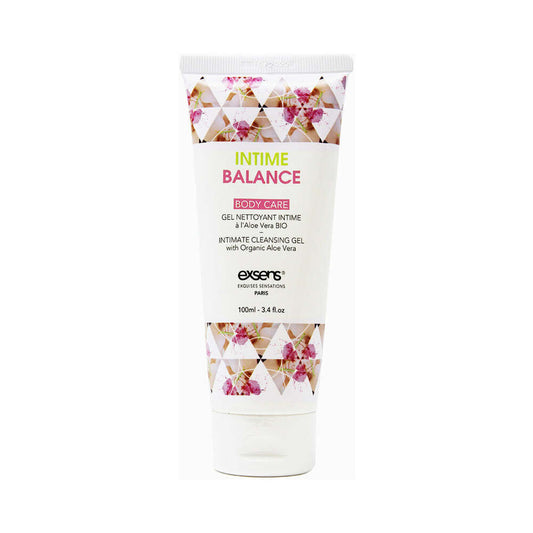
Antibacterial toy cleaners are a great option for keeping shared toys safe. They kill germs, remove bacteria, and help stop infections from spreading. Many come in easy-to-use spray or foam forms for fast cleaning.
Always check if the cleaner is safe for your toy's material.
Soap and water work well but may not be enough for deep cleaning. Look for products with gentle yet effective ingredients like tea tree oil or glycerin-free formulas. These are safer on sensitive skin and prevent irritation during use.
Safe Practices for Sharing
Always prioritize hygiene to keep shared toys safe. Simple habits can reduce risks and enhance intimacy.
Use condoms on shared toys
Condoms create a barrier that reduces the spread of bacteria and STIs on shared toys. They are a simple way to keep hygiene a top priority during intimate moments.
Choose non-lubricated or latex-safe condoms based on the toy’s material. Change the condom if switching between partners or different types of use. Dispose of the condom after each session to maintain safety and cleanliness.
Inspect toys regularly for damage
Check toys for cracks, tears, or discoloration. Damaged surfaces can trap bacteria and make cleaning harder.
Pay close attention to seams and edges. Replace any items that show signs of wear to maintain hygiene and safety.
Proper Storage to Prevent Contamination
Store sex toys in clean, dry places to prevent bacteria growth. Avoid tossing them in drawers with lint or dust, as these can stick to the surface and cause contamination.
Use storage bags or cases made specifically for toys. Keep each toy separate to avoid material reactions, especially if they’re silicone or porous.
Conclusion
Cleaning shared sex toys is crucial for safety and hygiene. Couples can reduce risks by cleaning toys properly, using condoms, and checking for damage. Materials matter too; non-porous options are safer and easier to sanitize.
Safe storage also keeps bacteria away and prevents contamination. With these simple steps, maintaining cleanliness becomes easy and keeps intimacy worry-free. Prioritize care to protect health while enjoying shared experiences together!