Common Lube Mistakes Couples Make (and How to Avoid Them)
By Rodel Samalca
Many couples use lube to make intimate moments smoother and more comfortable. Still, they often run into problems like discomfort, irritation, or broken condoms. These issues can ruin the mood and even affect sexual health.
Experts say using the wrong type of personal lubricant or skipping key steps can harm vaginal health and intimacy. Water-based lubes are usually safest with condoms; oil-based ones can break them.
Making small mistakes with lubrication often leads to bigger troubles over time.
This blog breaks down common lube mistakes couples make and explains simple ways to avoid each one. Readers will learn about comfort, safety, product choices, allergies, cleanup tips, and how to improve their experiences together.
Better sex starts here—keep reading for smart solutions anyone can follow.
Using the Wrong Type of Lube
Many couples pick a personal lubricant without checking if it matches their needs or products. Some formulas can damage condoms, affect vaginal health, or reduce sexual comfort and pleasure.
Oil-based lubes with condoms
Oil-based lubes can damage latex condoms quickly. Even a small amount of oil breaks down latex and creates tiny holes. This makes the condom less effective at preventing pregnancy and sexually transmitted infections.
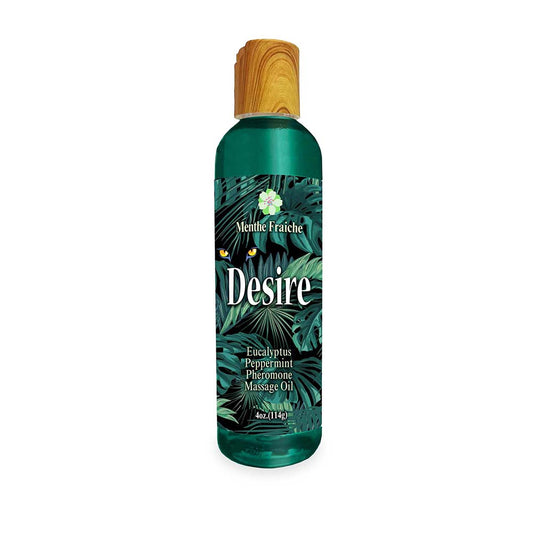
Experts in sexual health always advise using a safer option like water-based or silicone-based lubricants with condoms. Oil-based products include lotions, petroleum jelly, coconut oil, and body oils.
Condom manufacturers warn about this risk on product packaging to protect users’ vaginal health and comfort during intimacy. The FDA has confirmed that any type of oil weakens latex within minutes of contact.
Couples who want smoother friction without risking safety should choose only personal lubricant labeled as “condom safe.”.
Use only water-based or silicone-based lubricants with condoms to ensure both pleasure and protection.
Unsuitable lubes for pregnancy
Doctors recommend that people avoid using personal lubricants with glycerin, parabens, or nonoxynol-9 during pregnancy. These ingredients may upset vaginal health and raise the risk of yeast infections or irritation.
Water-based lubes labeled “fertility friendly” often work best for pregnant couples who want to boost comfort without introducing hormone disruptors.
Many oil-based products can damage latex condoms and also cause bacterial growth, which could lead to infection. Couples should choose water-based or silicone-based lubes marked as safe for use in pregnancy and free from harsh chemicals.
Reading product labels helps protect both sexual wellness and intimacy throughout pregnancy by ensuring better condom safety and vaginal health.
Not Using Enough Lube
Many couples overlook how much personal lubricant they need for comfort and pleasure during intimacy. Using more lube can reduce friction and improve sexual wellness, making the experience safer and more enjoyable.
Causes of discomfort
Friction from not using enough personal lubricant can lead to dryness, irritation, and even small tears in sensitive areas. Couples may notice burning or stinging during sex if lubrication is lacking.
Some people experience redness or lingering soreness after intimacy without proper lube use. Oil-based lubes with latex condoms can also cause breakage and discomfort by increasing friction instead of reducing it.
Applying too little water-based lube often results in reduced comfort and more rubbing, especially during longer sessions or when experiencing vaginal dryness from hormonal shifts.
Using the wrong type of product—for example, scented shower gels—might disrupt natural pH balance and increase sensitivity or pain. Finding the right amount makes a big difference; applying enough lube helps prevent these issues while supporting sexual wellness for both partners.
Next, explore practical tips to apply the ideal amount every time.
Tips to apply the right amount
Applying the right amount of lube ensures comfort and enhances sexual pleasure during intimate moments. Many couples struggle with this, leading to discomfort or reduced satisfaction.
Start with a small drop, about the size of a dime, and increase gradually as needed. This prevents using too much lube at once, which can reduce sensation for both partners.
Apply lube directly to the genital area or on your fingertips first, then spread it gently. This method allows for more precise application, ensuring all necessary areas are covered.
Use more lube before it feels necessary; don't wait until friction becomes uncomfortable. Adding lube proactively maintains smoothness and prevents breaks in intimacy.
Reapply after 10-15 minutes or if you feel any dryness. Continuous enjoyment often requires more than one application to keep everything slippery.
Experiment with different amounts during solo sessions to find what works best for you and your partner. Solo trials help understand personal preferences without the pressure of getting it right with a partner watching.
If using condoms, apply a drop of lube inside the tip before rolling it on. This increases sensitivity for the person wearing the condom.
For water-based lubes, consider moistening them with a little water if they start to dry out instead of adding more product immediately. This can reactivate the lubricant without decreasing effectiveness.
Moving onto allergies and sensitivities shows how personal care extends beyond mere application techniques.
Ignoring Allergies and Sensitivities
Many people react to common ingredients in personal lubricants, which can cause irritation or discomfort. Couples should review the ingredient list and consider a small patch test before full use to support sexual wellness and comfort.
Common ingredients to avoid
Couples often overlook the importance of checking lube ingredients for allergies and sensitivities. This oversight can lead to discomfort or health issues, undermining the benefits of lubrication in enhancing sexual pleasure and comfort. Here are common ingredients to avoid:
Glycerin: This ingredient can cause yeast infections in some women, as it breaks down into sugars and promotes yeast growth.
Parabens (methylparaben, propylparaben): These are preservatives found in many personal care products. Studies have linked them to hormone disruption and possibly cancer.
Petroleum: Found in oil-based lubes, petroleum can break down latex condoms, making them less effective at preventing STIs and pregnancy.
Propylene glycol: Known for causing irritation and potentially damaging cell membranes, propylene glycol is a humectant like glycerin.
Nonoxynol-9: Once believed to prevent STIs, this spermicide actually increases the risk of HIV transmission through irritation.
Phthalates: Used to soften plastics, phthalates are linked to hormonal imbalances and reproductive issues.
Each ingredient listed has its own set of risks that couples should consider before selecting a lube. Opting for natural or certified organic lubricants might provide a safer alternative. Testing new products on a small skin area before use can also help identify potential reactions. Being informed about these substances helps ensure both partners enjoy intimacy without worry over unwanted side effects.
How to test for allergies
Testing for allergies before using a personal lubricant is crucial for sexual health and comfort. Many individuals experience sensitivities to ingredients in lubes, which can lead to discomfort or allergic reactions. Here's how to conduct a proper test:
Choose a small area of skin, like the inside of your elbow or wrist. This spot mimics sensitive skin areas without being too exposed.
Apply a tiny amount of the lubricant on this spot. Be sure it's just enough to cover the area lightly.
Wait for 24 to 48 hours. This waiting period gives your skin time to react if it's sensitive to any component in the lube.
Check the area regularly during this time. Look for any signs of reaction such as redness, itching, swelling, or blistering.
If you notice any adverse effects, wash the area gently with soap and water. This indicates that you might be allergic or sensitive to an ingredient in the product.
Try a different lube if you had a bad reaction. Opt for one with hypoallergenic claims or fewer ingredients which might reduce the risk of another reaction.
Testing ahead of time helps prevent uncomfortable experiences during intimate moments by ensuring that both partners are aware of potential allergens and finding products that enhance personal comfort and sexual pleasure without causing harm.
Using Household Products as Lube
Many household products may seem harmless, but they can disrupt vaginal health and increase friction. Couples should explore safer personal lubricant options that support comfort and intimacy without risk.
Risks of shower products and lotions
Shower gels, body washes, and scented lotions may seem convenient during moments of intimacy. These products can actually cause more harm than good. Fragrances, dyes, and other harsh chemicals in personal care products often disrupt the natural pH of vaginal tissue.
This disruption increases the risk of irritation, burning sensations, rashes, or even infections like bacterial vaginosis or yeast overgrowth.
Lotions sometimes contain oils that break down latex condoms and compromise condom safety. Using non-lubricant products creates friction instead of enhancing comfort. Couples should always use a personal lubricant specifically formulated for sensitive areas to support sexual health and enjoyment.
Explore safe alternatives in the next section to keep intimacy positive and free from discomfort.
Safe alternatives to consider
Exploring safe alternatives for lubrication enhances sexual pleasure and comfort without compromising health. Couples often turn to household products out of convenience, overlooking the potential risks those items can carry. Here are some safe alternatives to consider:
Aloe Vera Gel offers natural lubrication and is gentle on the skin, making it a great option for those with sensitivities.
Coconut Oil, though not condom compatible, serves as an effective natural lubricant for those not using latex barriers.
Water-Based Lubricants are condom safe and widely recommended by experts for their versatility and ease of cleanup.
Silicone-Based Lubricants provide long-lasting slickness without damaging silicone toys or condoms, suitable for water play.
Almond Oil acts as a moisturizing alternative for external play but should be avoided with condoms due to oil's degrading effects on latex.
Commercially Available Natural Lubricants that avoid parabens, glycerin, and petroleum offer a healthy choice without sacrificing performance.
Vitamin E Oil supports vaginal health and can be used as a lubricant, although like other oils, it is not compatible with latex condoms.
Each of these alternatives ensures lubrication without resorting to potentially harmful household products; however, users should always check for individual allergies or sensitivities before trying a new product.
Skipping Foreplay and Relying on Lube Alone
Many couples skip foreplay and reach for personal lubricant, expecting instant comfort. Natural arousal during intimacy creates its own lubrication and deepens the physical connection.
Importance of natural arousal
Natural arousal plays a key role in sexual wellness and intimacy. Couples who rely solely on personal lubricant may miss the benefits of foreplay, which helps the body create its own natural lubricant.
Natural lubrication reduces friction and keeps comfort high during sex.
Research shows that couples report higher satisfaction when they include more intimate touch before intercourse. "The best way to enhance pleasure is by taking time for each other's excitement," as Dr.
Emily Morse states. Building arousal supports vaginal health, lowers discomfort from dryness, and improves sexual pleasure beyond what even top water-based lubes can offer.
Balancing lube use with intimacy
Couples strengthen intimacy by combining personal lubricant use with active communication and touch. Many find that using lube enhances comfort and reduces friction, but too much focus on lubrication can sometimes replace genuine connection or natural arousal.
Experts suggest building up excitement through foreplay first; gentle caresses, kissing, and talking about desires support vaginal health and emotional trust before reaching for any bottle.
Lube acts as a tool to improve sexual wellness but should not take over physical closeness. Sharing feedback during intimacy helps partners learn which products feel best while keeping attention on each other’s needs instead of only the product’s effects.
Maintaining this balance invites more pleasure from both feelings of closeness and effective lubrication without sacrificing either side. Good clean-up routines after play protect against discomfort or infection, making it easier to transition into healthy post-play care next.
Failing to Clean Up Properly After Use
Leaving personal lubricant on the skin or intimate areas can increase the risk of irritation or infection. Couples who pay attention to post-use hygiene support lasting comfort and sexual wellness.
Hygiene tips for post-lube care
Maintaining hygiene after using personal lubricant is crucial for sexual health and comfort. It helps prevent infections and irritation, ensuring a safe and enjoyable experience. Here are some essential tips for post-lube care:
Wash off the lube with mild soap and warm water immediately after use. This step removes any residue that might cause irritation or infections.
Dry the area gently with a clean towel. Rubbing can cause discomfort, so patting softly is better.
Check the lube's label for specific cleaning instructions. Some products may require different care methods to avoid skin issues.
Use hypoallergenic wipes if immediate washing is not possible. They can provide a temporary solution until you can wash properly.
Apply a light, unscented moisturizer if your skin feels dry after cleaning. This restores moisture without adding irritating substances.
Inspect your body for any signs of allergic reactions following use, such as redness or itching. Identifying sensitivities early helps avoid them in the future.
Keep your lubricants stored in a cool, dry place to maintain their integrity. Warm or moist environments can promote the growth of bacteria.
Dispose of any lube that looks, smells, or feels different from when you first opened it — these changes can indicate contamination.
Clean toys thoroughly according to the manufacturer's instructions if they were used with lube; this prevents bacterial growth on surfaces.
10.Regularly review and refresh your collection of lubes to ensure they haven't expired, keeping your experiences both pleasurable and safe.
Preventing infections and irritation
Proper lube hygiene protects vaginal health and lowers the risk of infection. Couples should always wash their hands before handling any personal lubricant or intimacy products. Doctors recommend cleaning silicone-based toys with warm water and mild soap after each use to prevent bacterial growth.
Use only condom-safe, water-based lubes if using latex condoms; oil-based options can damage protection and introduce bacteria.
Switching to unscented or hypoallergenic formulas helps those with sensitive skin avoid irritation during sexual wellness routines. Dermatologists warn against sharing opened lubricant bottles, as this may spread unwanted germs between partners.
One expert says,.
“Only choose lubricants labeled ‘for internal use’ to keep private areas healthy.”
Good practices ensure comfort, safety, and enjoyable experiences for all users.
Not Experimenting with Different Lubes
Many couples miss out on new sensations and comfort by sticking to the same personal lubricant. Exploring options can boost intimacy, increase sexual pleasure, and support vaginal health.
Exploring textures and formulas
In the pursuit of discovering an ideal texture and formula for lubricants, sexual pleasure and comfort can be markedly improved. The distinctive preferences and necessities of each pair are key determinants in identifying the most suitable lubricant.
Water-based lubricants are favored for their universal compatibility with all kinds of condoms and sex toys. These facilitate a seamless experience without inflicting harm to silicone toys or latex condoms.
Silicone-based lubricants have a more durable consistency compared to water-based alternatives, making them a good fit for prolonged sessions. These function effectively in water but are not recommended for use with silicone toys to avoid potential harm.
Oil-based options deliver a natural touch but are not compatible with latex condoms as they could lead to their rupture. Couples can consider this variant only if they have a different form of contraception in place.
Hybrid lubricants merge the positive attributes of both water and silicone-based options. These provide enduring lubrication with straightforward cleanup, making them suited for diverse activities.
Flavored lubricants can inject a fun facet into intimacy but need to be selected with caution to prevent the risk of sugars near delicate zones, potentially causing yeast infections.
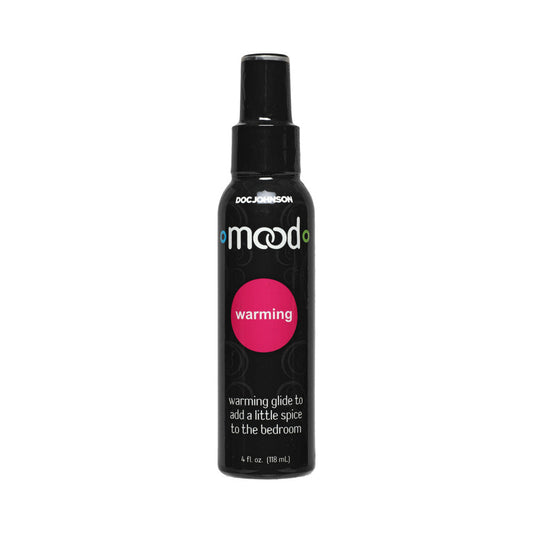
Warming and cooling lubricants instigate the exploration of temperature play through gentle skin sensations, enhancing arousal in a compelling manner.
Lubricants with natural or organic components appeal to those with sensitive skin or allergies. They are less chemical-laden, minimizing the likelihood of irritation or unfavorable reactions.
Customers must factor in their specific activities, materials of toys, methods of contraception, and any potential allergies when choosing a lubricant. A bit of experimentation might also reveal improved comfort and pleasure thresholds, positively impacting overall sexual wellness.
Finding the best lube for specific needs
Exploring textures and formulas offers a wide range of options for every couple. Personal preferences are important in sexual wellness, so thoughtful product selection enhances comfort, intimacy, and pleasure.
Water-based lubricants are compatible with condoms and sex toys. Silicone-based lubricants provide longer-lasting glide but should not be used with silicone toys because they can cause damage.
Couples may select oil-based formulations for massages or extended foreplay, but these products break down latex condoms and affect condom safety.
Sensitive skin benefits from hypoallergenic options that avoid parabens and glycerin to help prevent irritation or allergic reactions. For vaginal dryness related to menopause or hormonal changes, select personal lubricants labeled as pH-balanced and free from hormone disruptors.
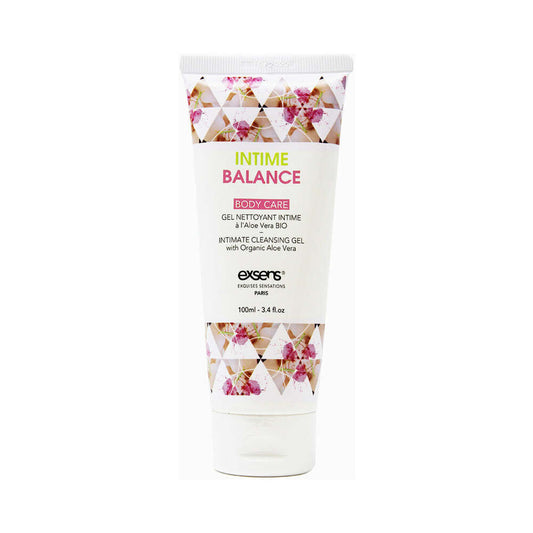
Some choose natural lubricant gels made from aloe vera to support vaginal health while reducing friction during intimate moments.
Choosing the right lube transforms discomfort into pleasure; consider your body’s needs first.
Exploring Water-Based Lubes
Water-based lubes offer a safe option for most couples. These products are condom-safe and work well with sex toys, including silicone and latex items. Many experts recommend water-based personal lubricants because they help reduce friction and make intimate moments feel smoother.
People with sensitive skin or allergies often choose water-based formulas since they wash off easily with water and contain fewer harsh additives. Couples can boost comfort during intimacy, especially if vaginal dryness is an issue.
Consider trying different brands that add soothing ingredients like aloe vera to support sexual wellness without causing irritation.
Conclusion
Couples can avoid common lube mistakes by choosing the right type, using enough product, and staying aware of allergies. Paying attention to ingredients and not using household items helps prevent irritation and keeps intimacy safe.
Skipping foreplay or forgetting to clean up after use may lower comfort or even risk infection; small steps make a big difference. Trying different lubes is simple and can improve sexual health for both partners.
Do you know which lube fits your needs best? Explore trusted products, consult with experts, and keep communication open for better experiences every time. Taking these actions boosts comfort, builds trust in relationships, and supports lasting satisfaction in intimacy.



 Many couples use lube to make intimate moments smoother and more comfortable. Still, they often run into problems like discomfort, irritation, or broken condoms. These issues can ruin the mood and even affect sexual health.