Essential BDSM and Bondage Advice for Building Trust with Your Partner
By Rodel Samalca
Many couples want to try BDSM or bondage, but they worry about how it could affect their relationship. They might fear losing trust, hurting each other’s feelings, or crossing a line that can’t be uncrossed.
These are common concerns for people new to exploring kink.
Trust matters more in BDSM than most other parts of intimate life. Studies show that healthy communication and respect make partners feel safe when trying something new together.
This blog will share simple tips on building trust through clear consent, open communication, and showing care after every scene. Readers will learn easy ways to set boundaries and keep play fun and respectful from start to finish.
See how small steps can help you both grow closer...read on for advice anyone can use tonight!
The Importance of Trust in BDSM
Trust acts as the strong base for all BDSM activities. Partners need to feel safe with each other, both physically and emotionally. Power dynamics in kink play rely on honesty, respect, and full consent from everyone involved.
A session without trust can lead to harm or discomfort. Even simple bondage or light power exchange asks for a high level of communication.
Open discussions make it easier for partners to share boundaries and limits. Clear agreement on what is okay turns fear into excitement and strengthens intimacy over time. As one writer put it:.
“Real surrender grows where trust lives.”
With solid trust in place, couples can explore new fantasies or fetishes at their own pace... Always keep mutual safety at the front of every plan and action. This focus builds confidence and also deepens connection; for many people, that security is what makes BDSM so rewarding inside healthy relationships.
Establishing Clear Consent
Establishing clear consent is vital in BDSM. Partners must openly discuss their limits and boundaries before engaging in any scene.
Discussing limits and boundaries
Limits define what feels safe and comfortable during BDSM activities. Boundaries keep everyone secure and respected, making trust possible in the relationship. Partners should talk openly about limits before any scene starts, saying what feels good and what feels off-limits.
Some people may love restraint but dislike pain; others might enjoy light bondage but feel uneasy with blindfolds or roleplay scenarios.
Setting boundaries isn’t a one-time event—these talks can happen often as needs change. Writing down these rules can help both partners recall them easily, reducing the chance of miscommunication during play.
Simple checklists or “yes-no-maybe” lists make things clear for beginners and experienced users alike. Open discussion lays a strong base for understanding each other’s comfort zones; the next step is learning how to read cues that signal consent or discomfort during play.
Understanding verbal and non-verbal cues
Reading verbal cues helps couples express boundaries, consent, and desires clearly. Clear words like “yes,” “no,” or a safe word such as “red” keep everyone on the same page during play.
Watching for verbal changes can also signal if someone feels uncomfortable or needs a pause.
Non-verbal cues matter too. A partner might tense up, avoid eye contact, or pull away when something does not feel right. Smiles, relaxed breathing, and gentle touches usually show comfort and trust in BDSM activities.
As one expert says:.
Communication is more than words; it’s about hearing with your eyes.
Paying close attention to these signs builds deeper trust and keeps every experience safe and respectful for both partners.
Communicating Effectively with Your Partner
Effective communication is key. Share your thoughts and feelings openly during scenes. Use active listening to show you care. Check in with each other often, before and after, to ensure both partners feel safe and connected.
Safe words help create a space for honest dialogue too. These tools strengthen the bond between partners, making BDSM experiences richer and more fulfilling.
Active listening during and after scenes
Active listening is key during and after BDSM scenes. Partners should focus on each other's words and feelings. This creates a safe space for open communication. Aftercare is just as important as the scenes themselves.
Checking in with one another helps both partners process their experiences.
During dialogue, eye contact fosters connection and understanding. Non-verbal cues like nodding or facial expressions can express support without words. Listening actively builds trust over time; it shows respect for each other's boundaries and desires.
Engaging fully in this way makes every encounter more fulfilling for both individuals involved.
Using safe words and check-ins
Safe words are vital in BDSM. They help partners communicate their comfort levels. A safe word is a specific term that either partner can use to stop or slow down the scene. Choose a word that does not come up in regular conversation.
This way, it stands out and is clear.
Check-ins are equally important. Regularly asking how the other person feels helps keep trust strong. These moments create space for open dialogue about limits and boundaries while engaging in scenes.
Both safe words and check-ins build respect and understanding within the relationship, making every experience safer and more enjoyable.
Building Intimacy Through Vulnerability
Exploring fantasies can bring partners closer. Sharing desires opens the door to real feelings and trust.
Exploring shared fantasies safely
Fantasies play a big role in BDSM. They can strengthen connection and trust between partners. Sharing these dreams should happen in a safe way. Partners must discuss their feelings openly before acting on fantasies.
Communication helps set boundaries and ensures everyone feels comfortable.
Using safe words is crucial during these explorations. Safe words allow one partner to pause or stop the activity if needed. Regular check-ins help maintain emotional safety, making sure both feel secure throughout the experience.
Keeping things fun and consensual enhances intimacy while respecting each other's limits fosters stronger bonds in relationships.
Embracing emotional openness
Emotional openness builds stronger connections. It allows partners to share feelings and thoughts freely. This trust fosters a safe space for vulnerability. Sharing fantasies can be exciting.
Being honest about desires helps both partners feel understood and respected.
Exploring emotions deepens intimacy. Expressing fears or insecurities creates a bond that strengthens relationships. Partners learn to communicate better when they embrace their feelings together.
This openness makes the BDSM experience more fulfilling and enjoyable for both, leading into safe practices in BDSM next.
Guidelines for Practicing Safe BDSM
Safety is key in BDSM. Always focus on both physical and emotional well-being. Use safe words to stop or slow down if needed. Aftercare is essential too, as it helps partners reconnect and feel secure after a scene.
Prioritizing physical and emotional safety
Physical and emotional safety is crucial in BDSM. Both partners must feel secure at all times. Discuss limits clearly before starting any scene. This helps set boundaries that protect both people involved.
Aftercare plays a big role in ensuring emotional safety. It includes talking, cuddling, or anything else that helps partners reconnect after a session. Checking in with each other strengthens trust and understanding, making the experience more enjoyable for everyone involved.
Ensuring proper aftercare
Aftercare is vital in BDSM. It helps partners recover after intense scenes. Physical touch, like cuddling or holding hands, can comfort both people. A warm drink or a soft blanket can make the experience even nicer.
Talking about feelings post-play is also important. This time allows each partner to share their thoughts and emotions. It builds trust and strengthens the bond between them. Proper aftercare ensures safety while exploring boundaries together.
Moving on to tools and products can help enhance these experiences further....
Tools and Products for Exploring BDSM
The right tools can make BDSM experiences more fun and safe. From beginner toys to advanced gear, there’s something for everyone. Wrist and ankle restraints add excitement, while bondage furniture provides a new level of play.
Always choose items that fit your comfort zone and enhance your time together.
Recommended toys for beginners and advanced users
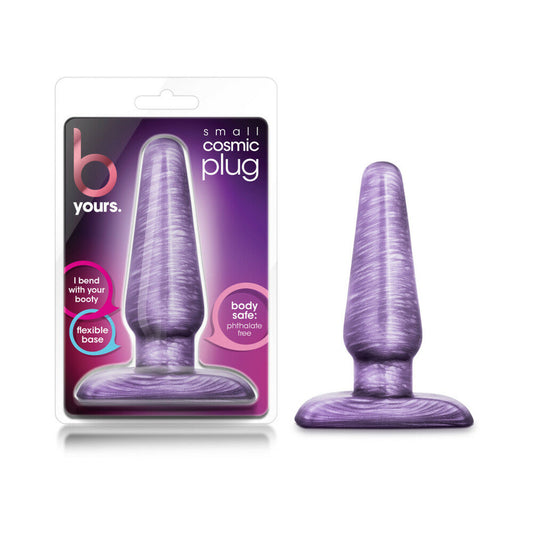
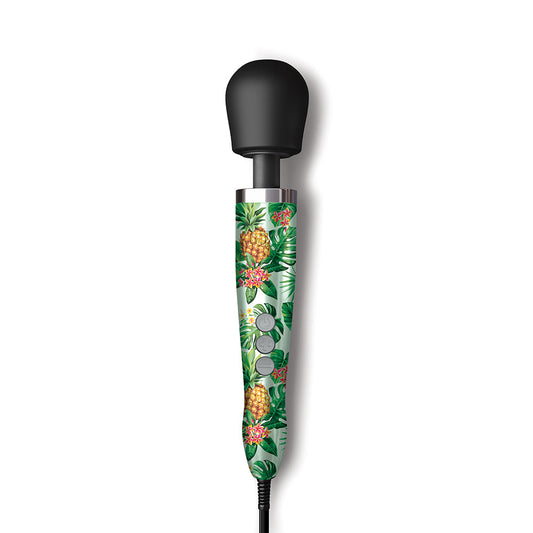
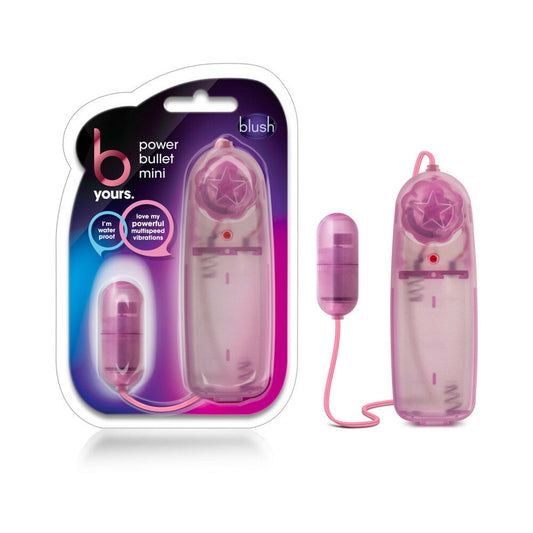
Beginners should start with simple toys that help them explore safely. Small vibrators, beginner-friendly bondage kits, and soft restraints are great options. These items can introduce new experiences without overwhelming anyone.
Users can build confidence while discovering their preferences.
Advanced users often seek more specialized gear to enhance their playtime. Stronger restraints, impact toys like paddles or whips, and sensory deprivation tools provide exciting layers of experience.
Safety remains key for everyone, regardless of skill level. Each toy offers a chance to dive deeper into desires while respecting personal boundaries and maintaining trust within the relationship.
Bondage furniture and accessories
Bondage furniture and accessories can spice up any BDSM experience. These items provide comfort and safety during play. They come in many forms, from simple restraints to elaborate setups.
A sturdy bondage bed helps secure a partner while allowing movement. Furniture like spanking benches or St. Andrew's crosses adds variety.
Wrist and ankle restraints are popular choices for beginners. They help establish boundaries without much fuss. Accessories such as blindfolds can heighten sensation and anticipation, adding excitement to the scene.
Choosing the right pieces helps create trust between partners, making every session more enjoyable and fulfilling.
Including wrist and ankle restraints
Wrist and ankle restraints can add excitement to BDSM play. They help create a sense of security and trust. These tools allow one partner to take control while the other surrenders.
Properly using these restraints enhances safety during scenes, making both partners feel secure.
Various options are available for wrist and ankle restraints. Some are soft and padded, ensuring comfort during use. Others may be more rigid, providing different levels of restriction.
Choosing the right type is key for building intimacy and respecting boundaries in any BDSM relationship. Always prioritize consent when incorporating these items into your sessions.
The Role of Roleplay in Strengthening Bonds
Roleplay can deepen connections between partners. It allows them to explore desires in a safe way. Acting out fantasies helps build trust and understanding. This shared experience creates a bond that is stronger and more open.
Curious about how roleplay can enhance your relationship? Dive deeper for more insights!
Acting out fantasies in a controlled environment
Acting out fantasies can be fun and exciting for couples. A controlled environment makes exploration safer. Both partners can feel free to express desires without fear. Clear rules help create a safe space.
This allows them to immerse themselves in their roles fully.
Exploring shared fantasies leads to deeper intimacy. It strengthens the bond between partners. By acting out scenarios, they build trust and communication skills too. This play helps each partner understand boundaries better and enhances mutual respect in the relationship.
Creating a safe space for exploration
Exploring fantasies requires a safe space. This allows both partners to feel secure and comfortable. Clear communication is vital here. Discuss each partner's limits and boundaries openly.
Trust grows when both know they can express their feelings without fear.
Using a private area for these activities helps build that safety net. Add soft lighting or cozy pillows to create a welcoming setting. Respect for one another’s needs fosters vulnerability, allowing deeper connections to form during exploration.
A safe environment leads to positive experiences and strengthens trust between partners.
Benefits of BDSM for Relationships
BDSM can deepen trust and intimacy in relationships. It allows partners to connect on a new level, bringing them closer together. Exploring desires builds stronger emotional ties. Partners learn to communicate better, enhancing their bond.
This journey fosters respect and understanding too... Curious about how it can transform your relationship? Read more!
Enhancing trust and intimacy
Trust and intimacy grow in a safe space. Exploring fantasies can deepen connections between partners. Sharing desires builds vulnerability, allowing both to be open and honest. This openness strengthens trust, making each person feel valued.
Aftercare plays a crucial role too. It shows care and respect after intense moments together. Simple gestures like cuddling or talking about the experience help nurture the bond that has formed during playtime.
Embracing these practices leads to more fulfilling relationships centered on trust and connection.
Strengthening emotional connections
Vulnerability plays a key role in building emotional connections. Partners can explore shared fantasies in a safe space. This exploration fosters trust and deepens intimacy. Open conversations about desires help both partners feel secure.
Emotional openness invites honesty into the relationship. Sharing feelings creates a stronger bond between partners. Being vulnerable allows for deeper understanding and respect, making each encounter more meaningful.
Trust grows with every shared experience, enhancing their connection further.
Conclusion
Building trust in BDSM takes effort and clear communication. Open talks about limits and boundaries are essential. Safe words and check-ins help partners stay connected during scenes.
Practicing these steps can lead to deeper intimacy and stronger bonds in relationships. Exploring together is not just fun; it can change how partners see each other, enhancing both trust and respect for one another.