Many people worry about unplanned pregnancies. Sometimes, using condoms can feel confusing or even stressful if you are not sure how to use them the right way. Missteps in application or storage can reduce their effectiveness for birth control and STI protection.
Studies show that condoms, when used correctly every time, are 98 percent effective at preventing pregnancy. This makes them a reliable contraceptive method for anyone seeking safe sex and sexual health.
This guide walks readers through each step of proper condom use. Readers will learn how to apply a condom from start to finish, avoid common mistakes, and choose what works best for their needs.
Mastering these tips helps boost confidence before the next intimate moment—discover expert answers right here!
Steps to Use a Condom Correctly
Proper condom application plays a key role in pregnancy prevention and sexual health. Following each step with care supports effective contraception and reduces the risk of STI transmission.
Ensure the penis is fully erect
A condom fits best and works most effectively as birth control when the penis is fully erect. An erect penis allows the condom to unroll smoothly, covering it completely from tip to base.
This step helps prevent slippage during sex, which lowers the risk of pregnancy and increases STI protection. Using a condom on a soft or semi-erect penis can cause leaks, lowering its effectiveness for contraception and safe sex.
Take this important step before opening the condom packet to avoid damage or mistakes in application.
Open the condom packet carefully to avoid damage
After ensuring the penis is fully erect, focus on opening the condom packet. Avoid using teeth or sharp objects, as these can tear latex or polyurethane and reduce pregnancy prevention effectiveness.
Fingernails also easily puncture condoms, making them less reliable for birth control and STI protection.
Gently push the condom to one side of the wrapper before tearing along the designated edge. This simple step protects your contraceptive method from accidental rips that could lead to unprotected sex risks.
A 2021 CDC report states that damaged condoms significantly increase unintended pregnancy rates and lower contraception reliability. “Handle with care; a small tear defeats big protection,” experts advise.
Care in this step lays the foundation for safe sex practices and enhances sexual health outcomes. Always inspect each barrier before use by looking for visible signs of damage once it’s out of its packaging.
Squeeze the tip of the condom to remove air
After opening the condom packet with care to avoid tears, users should focus on squeezing the tip of the condom. This step keeps air from getting trapped at the reservoir tip, which can help prevent breakage during intercourse.
Holding the tip leaves room for semen and reduces pressure that may cause leaks or bursts.
This simple movement is essential for pregnancy prevention and safe sex. Experts in sexual health always stress this part of condom application as a key factor for contraceptive effectiveness and STD protection.
A proper squeeze can make a significant difference in the performance and reliability of this barrier method for birth control.
Roll the condom down to the base of the penis
Hold the condom at the tip and gently unroll it down the entire shaft of the erect penis. Make sure to cover all the way to the base; this helps prevent pregnancy and offers effective STI protection during sex.
Rolling it on completely reduces slippage or leaks, which increases contraception effectiveness.
Use your fingers to guide the condom without using your teeth or sharp objects that could tear it. Covering from tip to base forms a secure barrier method for birth control and sexual health.
This step is vital for safe sex and proper application during every encounter.
Timing and Proper Use
Always put a condom on before any genital contact to ensure maximum contraception and protection—discover more safe sex tips in the next section.
Put the condom on before any genital contact
Placing the condom on before any genital contact greatly improves pregnancy prevention and STI protection. Even pre-ejaculate fluid can carry sperm or sexually transmitted infections.
This makes early application essential for effective contraception and safe sex. CDC reports show that incorrect timing leads to an increased risk of both unintended pregnancies and STDs.
Many people make mistakes simply by touching genitals together without a barrier in place, thinking no ejaculation means no risk. As Dr. Lisa Stern, sexual health expert, says:.
“Condoms only work if they are put on before direct contact begins.”
Start with this method each time to give yourself the best chance at preventing unplanned pregnancy and maintaining reproductive health. Move forward using a new condom during every encounter for ongoing safety.
Use a new condom for each sexual encounter
Always use a new condom for every sexual encounter to keep birth control and STD protection at their highest levels. Reusing condoms increases the risk of breakage, reduces effectiveness, and may lead to pregnancy or spread of infections.
The latex weakens after one use, no matter how careful someone is with washing or storing it.
Sexual health experts confirm single-use only serves as a main pillar in safe sex practices worldwide. For example, the CDC reported in 2023 that proper condom use can lower the risk of unintended pregnancy up to 98% when used correctly each time.
This simple step forms an essential part of any contraceptive method and supports effective pregnancy prevention during all types of intimate contact.
Tips for Maximizing Effectiveness
Proper use of condoms increases their effectiveness for pregnancy prevention and sexual health, so follow these expert tips to enjoy safer sex and explore the next steps.
Heat and moisture can weaken latex or polyurethane condoms, making them less reliable for pregnancy prevention. Storing condoms in a cool, dry spot boosts their effectiveness as a birth control barrier method.
Exposure to sunlight or keeping them in wallets or cars increases risk of damage.
Experts at the CDC recommend storing condoms between 59°F and 77°F to protect against unwanted breakdown. One sexual health educator notes,.
“A bedside drawer is safer than your back pocket if you want optimal contraception.”
Stash new packages away from sharp objects that might puncture the wrapper. This simple step supports safe sex and helps maximize protection against both pregnancy and STIs during intimacy.
Check the expiration date before use
Expired condoms lose strength and flexibility. Latex weakens over time, raising the risk of breakage during sex. Always inspect each condom’s expiration date on the wrapper before application for safe sex and effective pregnancy prevention.
A fresh factory-sealed condom keeps its promise as a reliable birth control method.
Condoms past their best-by date cannot guarantee STI protection or contraception. Store new condoms in a cool, dry place to keep them ready for use until their marked expiration. Condom instructions from experts highlight this simple step as crucial for sexual health and preventing unplanned pregnancies.
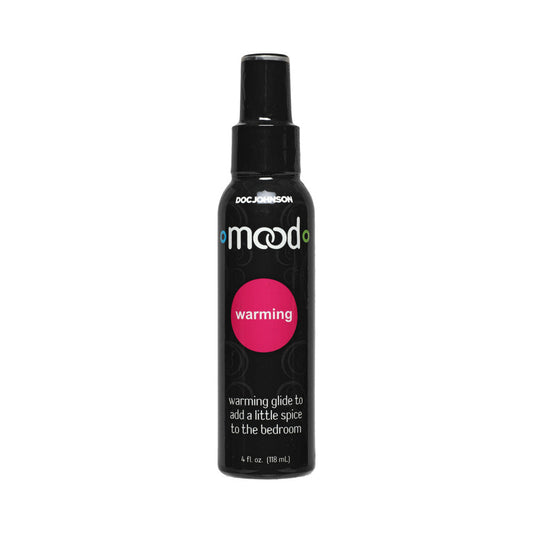
Use only water-based or silicone-based lubricants
Oil-based products like lotions or petroleum jelly weaken latex condoms and increase the risk of breakage. Water-based or silicone-based lubricants keep condoms strong and effective for contraception and STI protection.
Many sexual health experts recommend these types of lubrication to boost comfort without risking condom integrity during sex.
Popular water-based lubes are easy to find in any sex toy shop, while silicone options last longer without drying out. Using the right lubricant supports birth control and helps prevent unplanned pregnancy and unsafe sex situations.
Choosing the Right Condom for Extra Safety
Choosing the right condom improves pregnancy prevention and STI protection. Select condoms made from latex or polyurethane for dependable contraception and safe sex. These materials act as strong barriers against unwanted pregnancy and sexually transmitted infections.
Size matters in effectiveness; a condom that is too loose or too tight can slip or break during use, raising the risk of unprotected sex.
Ribbed, dotted, or ultra-thin options add sensation without trading safety for pleasure. For those with allergies to latex, non-latex versions such as polyisoprene provide reliable birth control without irritation.
Extra-safe varieties come thicker to reduce breakage risks during intercourse while still supporting sexual health goals. Always match the right fit and type with your needs to maximize both comfort and protection in every encounter.
Common Mistakes to Avoid
Many people encounter errors that reduce the effectiveness of condoms as a birth control and pregnancy prevention tool. Careful attention to application and product choice will help maintain sexual health and contraception success—read on for deeper insights into STI protection, condom instructions, and reproductive health.
Not leaving space at the tip for semen
Not leaving space at the tip of a condom can lead to bursting or slipping, which reduces its effectiveness as a birth control method. During ejaculation, semen needs somewhere to collect; if no reservoir is left, pressure can build up and cause the condom to break.
This mistake puts users at risk for unplanned pregnancy and limits STI protection.
Experts always advise pinching the tip of the condom before rolling it down over an erect penis. This action keeps air out and provides enough room for semen collection. Using this simple technique improves sexual health outcomes by maximizing contraception reliability during intercourse.
Safe sex practices depend on careful application steps like this one for full pregnancy prevention and STD protection benefits.
Reusing condoms
Reusing condoms increases the risk of pregnancy and sexually transmitted infections. Each condom is designed for single use only as part of effective contraception and sexual health practices.
Even a small tear or unseen damage makes the barrier unreliable, leading to lower protection against STIs and unplanned pregnancies. Latex weakens after first use due to friction, stretching, and exposure to bodily fluids, reducing its strength.
Safe sex relies on proper birth control methods like replacing condoms every time. Using a fresh condom with each new sexual encounter keeps effectiveness high in pregnancy prevention and STD protection.
Paying attention to this key point sets the stage for learning about oil-based products that can also damage condoms.
Using oil-based products that damage condoms
Oil-based products like lotion, baby oil, coconut oil, or petroleum jelly can weaken latex condoms. These substances break down the condom material fast. The risk of tears increases and protection drops sharply.
Studies show that using oil-based lubricants with latex condoms makes them two times more likely to fail compared to water-based ones.
Choose only water-based or silicone-based lubricants for safe sex and effective pregnancy prevention. Most condom manufacturers highlight this rule on their packaging because damaged condoms offer poor STI protection and are less reliable as a contraceptive method.
Always double-check the label of any product before pairing it with a barrier method like condoms to protect sexual health.
Conclusion
Using condoms the right way can make birth control and pregnancy prevention easy. Quick steps like rolling the condom on before any genital contact help keep sex safe and stress-free.
Checking the expiration date and using water-based or silicone-based lubricants boost effectiveness every time. Avoiding common mistakes, such as reusing condoms, protects sexual health for both partners.
Picking the correct size adds extra safety during each encounter. Ready to take charge of your reproductive health? Explore more tips or ask a professional if you have questions about contraception, safe sex, or family planning—your future deserves protection and peace of mind.