How to Read Sex Toy Product Specs: Size, Power, Waterproof Ratings, and Care Notes
By Rodel Samalca
Product specs can make sex toy shopping much easier, but only if you know what the details actually mean. A listing may mention insertable length, motor strength, waterproof design, charging time, material, flexibility, modes, and care instructions all in the same short block. That can feel like a lot at first. Once you learn how to read the basics, those details become a practical buying guide instead of a confusing wall of numbers.
The goal is not to memorize every technical term. The goal is to understand what matters for comfort, fit, cleaning, storage, and the way you plan to use the toy. A compact bullet vibrator, a full-size wand, a curved G-spot vibrator, a stroker, and a couples toy all need different kinds of attention. Reading the specs helps you choose the option that fits your body, your routine, and your experience level.
If you are comparing several options, it can help to browse broad categories first, such as sex toys, vibrators, dildos, and male masturbators. Looking at similar products side by side makes the specs easier to understand because you can compare size, shape, materials, and features in context.
Start with the product category
Before you look at numbers, identify what kind of toy you are considering. Specs mean different things depending on the category. For a vibrator, motor strength, modes, noise, and charging matter. For an insertable toy, size, shape, firmness, and material matter. For a stroker, texture, sleeve length, cleaning access, and drying time matter. For a restraint or accessory, fit, adjustability, and material care may be more important than power.
Category also helps you avoid overbuying. A beginner may see a toy with many patterns and assume more is better, but a simpler design may be easier to use. A couple may choose an app-controlled toy for shared control, while someone who wants low-maintenance solo play may prefer a straightforward rechargeable vibrator. Specs should support the use case, not distract from it.
Size specs: total length, insertable length, and diameter
Size is one of the most important spec areas because comfort depends on fit. Product listings often include several measurements, and they are not interchangeable.
Total length
Total length is the full length of the toy from end to end. This can include a handle, base, charger area, or external section that is not meant for insertion. Total length tells you how large the toy is in your hand, how easy it may be to hold, and how much storage space it needs. It does not always tell you how much of the toy is meant to be used internally.
Insertable length
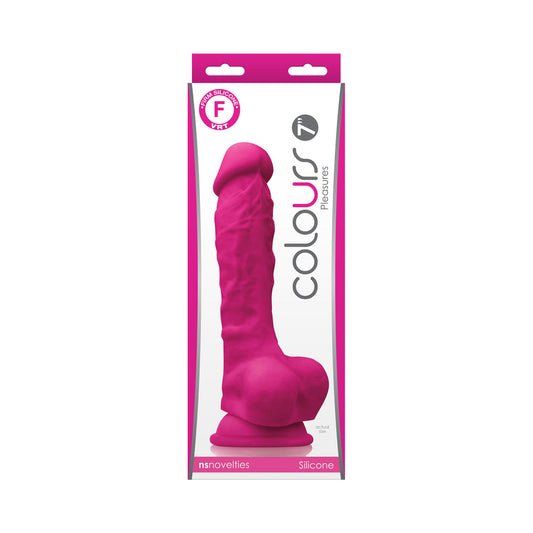
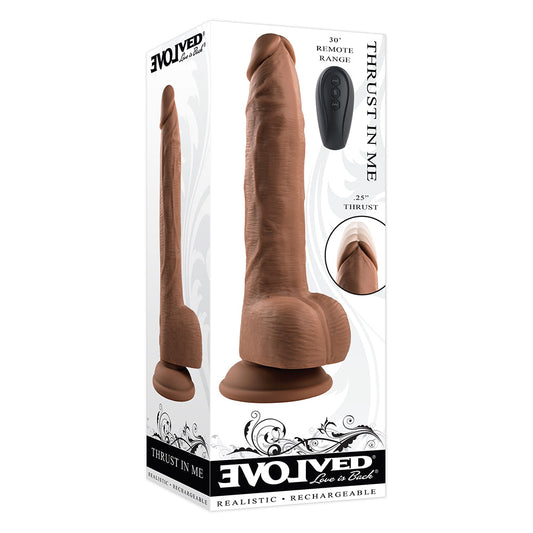
Insertable length is the portion designed for internal use. This is the measurement to focus on for comfort if you are choosing a dildo, G-spot vibrator, prostate toy, anal toy, or other insertable product. A toy with a long total length may have a much shorter insertable length if it includes a handle or flared base.
Diameter and circumference
Diameter measures width across the toy at a specific point. Circumference measures the distance around the toy. Many shoppers underestimate how much a small diameter change can affect feel. A toy that looks only slightly wider in photos may feel very different in use. If you are newer to insertables, start with modest diameter, smoother shapes, and plenty of compatible lubricant.
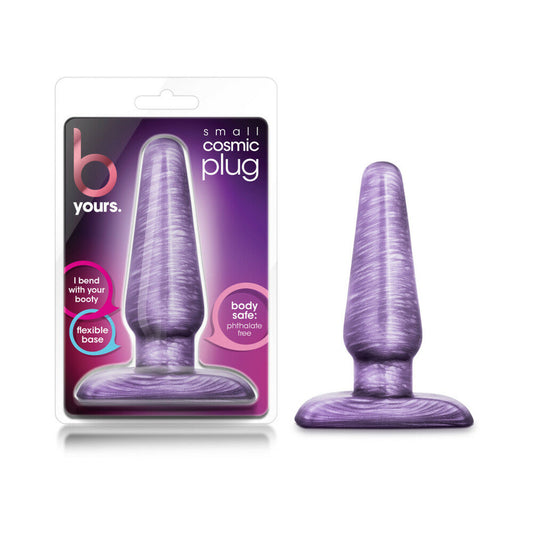
For shoppers comparing internal toys, category pages like G-spot vibrators, rabbit vibrators, and anal toys can show how shape and measurement work together. With anal products, a flared base is especially important because it supports safer external retrieval.
Shape matters as much as numbers
Measurements tell only part of the story. Shape changes how a toy feels. A tapered toy may be easier to start with than a blunt design even if the maximum diameter is similar. A curved shaft may target pressure differently than a straight one. A flexible toy may feel more forgiving than a firm toy with the same dimensions.
Look at the transition points. Are there ridges, bulbs, textures, or sudden width changes? Are the edges smooth? Is the handle easy to grip? Does the base look stable? Product photos can answer questions the spec table cannot. If the listing gives both measurements and clear images, use them together.
Power specs: batteries, rechargeable toys, and plug-in designs
Power details tell you how the toy runs and how much maintenance it needs. Common power types include replaceable batteries, USB rechargeable batteries, magnetic charging, and plug-in operation.
Battery-operated toys
Battery-operated toys can be affordable and simple, but they require fresh batteries to perform consistently. If a toy uses AA, AAA, or specialty batteries, check how many it needs and whether batteries are included. Battery toys can be useful for travel or occasional use, but they may lose strength as batteries drain.
Rechargeable toys
Rechargeable toys are popular because they reduce battery replacement and often support stronger, steadier motors. Check charging time and estimated runtime. A toy that takes two hours to charge for one hour of use may be perfectly fine for home use, but it needs planning. If you travel often, make sure you know which cable or charging dock it uses.
Magnetic chargers
Magnetic chargers are common on waterproof or water-resistant toys because they avoid open charging ports. They can be convenient, but they are also easy to misplace. When shopping, look for whether the charger is standard USB on one end and a brand-specific magnetic connector on the other. Store it with the toy so the setup remains easy later.
Plug-in power
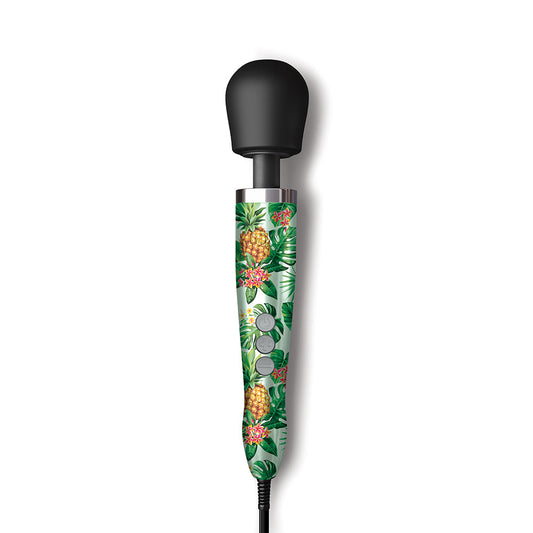
Some high-powered wand vibrators use plug-in power. These can offer strong, consistent vibration without battery anxiety, but they are less portable and require an outlet nearby. If you are choosing from wand vibrators, check whether the model is rechargeable, battery-operated, or plug-in so expectations match your space.
Motor strength, speeds, and patterns
Listings often describe speeds and patterns. Speeds usually refer to intensity levels, while patterns refer to pulsing, escalating, wave, or rhythm modes. More modes can be fun, but they are not automatically better. Many people use one or two favorite settings most of the time.
When reading a listing, look for control clarity. Can you move up and down through speeds, or do you have to click through every pattern to get back to the beginning? Is there a dedicated power button? Can you stop quickly? For partnered play, quick control can matter more than having many modes.
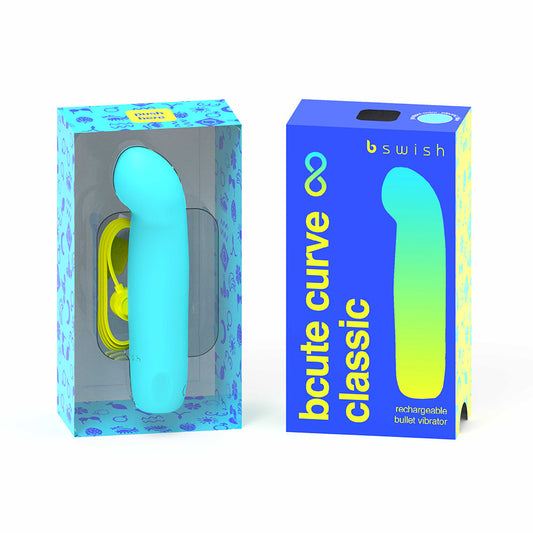
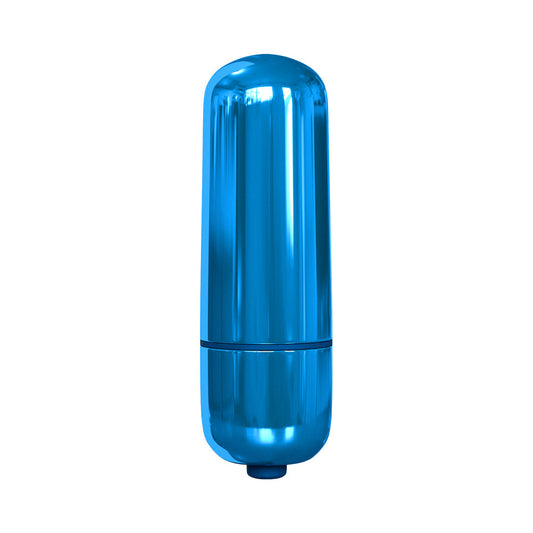
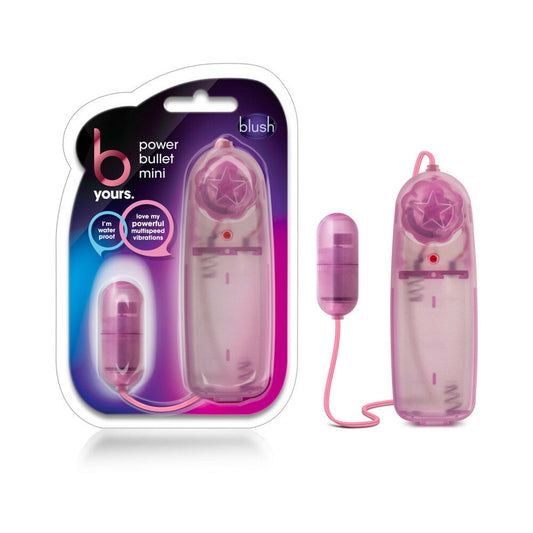
Motor language can also vary. Some products emphasize buzzy surface vibration, while others are described as rumbly or deep. These descriptions are subjective, but they can help you compare. If you prefer broad external stimulation, a wand or palm-style vibrator may be better than a pinpoint bullet. If you prefer targeted stimulation, a bullet or slim design may make more sense. You can compare options in categories like bullet vibrators, clitoral vibrators, and wand vibrators.
Waterproof versus water-resistant
Water language is one of the easiest areas to misread. Waterproof and water-resistant are not always the same thing. A water-resistant toy may tolerate splashes or cleaning with a damp cloth, but it may not be designed for submersion. A waterproof toy may be easier to rinse and may be suitable for shower use if the manufacturer says so. Always follow the specific product instructions.
If a listing includes an IP rating, that rating gives more detail. In general, the first digit relates to dust or solids protection and the second digit relates to water protection. A higher water digit usually means better protection, but shoppers should still read the description carefully. Adult product listings do not always display formal ratings, so the plain-language care notes matter.
Waterproof design can simplify cleaning, especially for nonporous toys. It can also make a product more flexible for people who like shower play. But waterproof does not mean every situation is recommended. Hot tubs, bath products, oils, soaps, and charging ports can complicate care. If the listing says not to submerge, do not treat the toy as fully waterproof.
Material specs and why they matter
Material affects feel, cleaning, lubricant compatibility, and storage. Common adult toy materials include silicone, ABS plastic, stainless steel, glass, TPE, TPR, and blended soft materials. Product listings should tell you what the toy is made from, especially for parts that touch the body.
Silicone
Silicone is common for quality vibrators and insertables because it can feel smooth, flexible, and easy to clean when properly made. Many silicone toys are compatible with water-based lubes. Silicone lube may not be compatible with all silicone toys, so check manufacturer guidance before pairing them.
ABS plastic
ABS plastic is firm, smooth, and often used for bullet vibrators, handles, and external toys. It is usually easy to wipe clean and may work well for people who prefer firm pressure.
Glass and stainless steel
Glass and stainless steel are firm, smooth, and nonporous when made for body use. They can feel intense because they do not compress. They also hold temperature, so use care with any warming or cooling and avoid extremes.
TPE and TPR
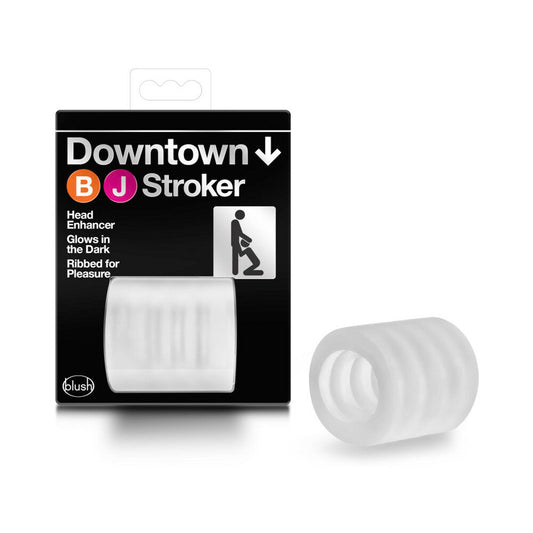
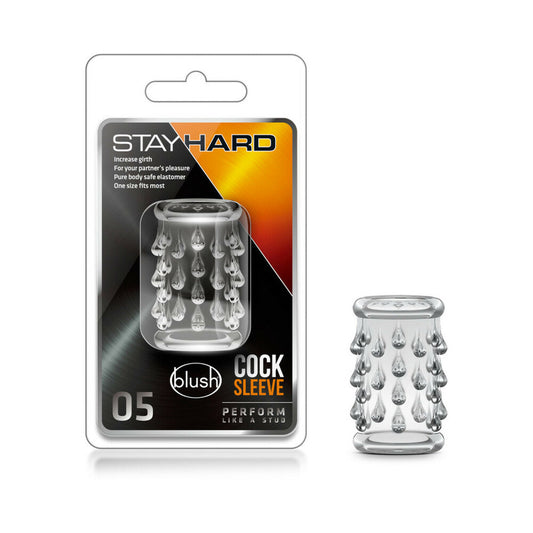
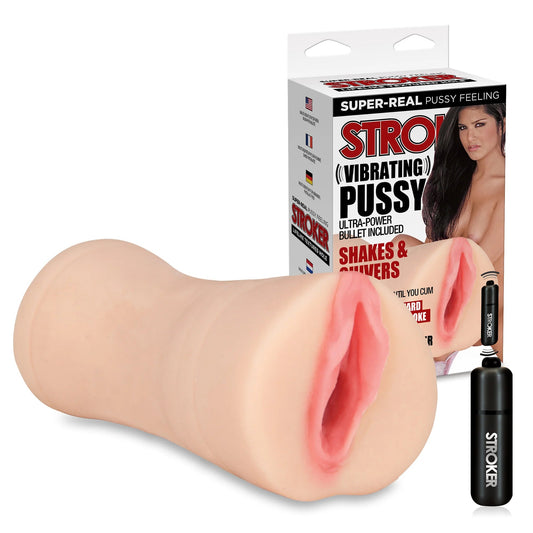
TPE and TPR are softer materials often used in strokers and realistic-feel products. They can feel plush or flexible, but they may require more careful cleaning and drying. Some soft materials should be stored separately and may not last as long as firm nonporous materials. Always follow product care notes.
If you are buying lubricant at the same time, start with water-based lubes as the most versatile default for many toys. You can also compare broader lubes if the product listing gives specific compatibility guidance.
Texture, firmness, and flexibility notes
Specs may describe a toy as soft, flexible, firm, plush, rigid, ribbed, beaded, realistic, smooth, or textured. These words help you predict sensation. Smooth and tapered designs are often easier for beginners. Strong textures can feel great for some users but too intense for others. Firm toys deliver more direct pressure, while flexible toys may adapt more easily to body movement.
For strokers and sleeves, texture notes describe the internal feel. For dildos and vibrators, texture may describe the external shaft. For couples toys, flexibility may affect how well the toy stays in place during shared movement. Do not treat texture as decoration only. It is part of the experience.
Noise level and discretion
Noise specs are not always precise, but listings may mention quiet operation or discreet design. If privacy matters, look for notes about motor noise, travel locks, storage pouches, and compact size. A toy can be powerful and still reasonably quiet, but stronger motors often create more sound. Bedding, room acoustics, and walls also affect what others hear.
Travel locks are useful for rechargeable toys because they reduce the chance of accidental activation in a bag or drawer. If a listing mentions a travel lock, read how to turn it on and off before storing the toy.
Care notes: cleaning, drying, and storage
Care instructions are part of the product specs, not an afterthought. A toy that is easy to clean is more likely to become a regular favorite. Look for whether the product is waterproof, splashproof, or wipe-clean only. Check whether the sleeve can be removed, whether the toy has seams or ridges, and whether the manufacturer recommends specific cleaners.
A basic care routine is simple: clean after use, rinse only if the toy is designed for it, dry fully, and store away from lint, dust, and incompatible materials. For soft sleeves and strokers, drying is especially important because moisture can linger inside. For rechargeable toys, make sure the charging contacts are dry before connecting a cable.
Helpful support items can live in a small care kit. Browse toy cleaners, essentials, and compatible lubes so cleaning and comfort are planned before the toy arrives.
How to compare two similar toys
When two products look similar, compare them in a practical order. Start with body fit, then power, then cleaning, then convenience. A toy that is slightly less flashy but easier to clean, charge, and store may be the better long-term choice.
Fit: Are the length, diameter, shape, and firmness comfortable for your experience level?
Power: Does the toy use batteries, rechargeable power, or plug-in power?
Controls: Are the buttons easy to understand and stop quickly?
Water rating: Is it waterproof, water-resistant, or wipe-clean only?
Material: Does the listing clearly state body-contact materials?
Care: Can you clean and dry it realistically after use?
Accessories: Are chargers, remotes, batteries, or attachments included?
Beginner-friendly red flags
Some listings deserve extra caution. Be careful with products that do not clearly list body-contact materials, have vague size information, show no care instructions, or make exaggerated claims. Also pause if the product photos hide the base, charger, or control buttons. You should know what you are buying before it arrives.
For internal toys, missing diameter information can be frustrating. For anal toys, a missing or unclear base design is a strong reason to choose something else. For rechargeable toys, unclear charging details may make long-term use inconvenient. For soft materials, unclear cleaning instructions can shorten product life.
Specs for couples toys
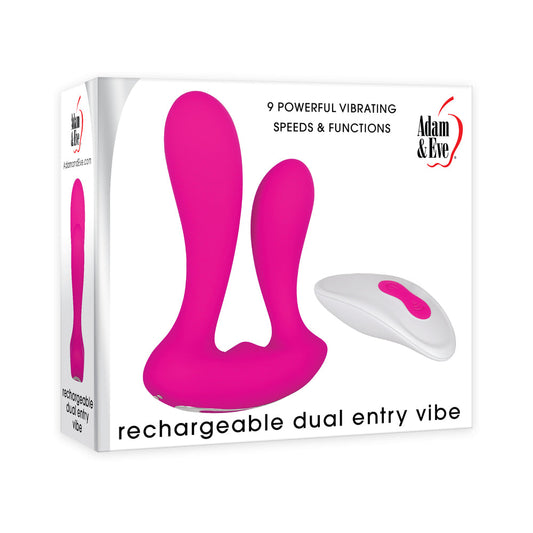
Couples toys add another layer because the product needs to work for two people at once. Look at shape, flexibility, remote or app control, noise, and how easy it is to adjust during partnered play. A toy that looks sleek but is difficult to position may be less useful than a simpler toy with better controls.
When shopping together, compare categories like couples vibrators, remote control vibrators, and app-controlled vibrators. The specs will show whether the toy is meant for same-room control, long-distance control, wearable use, or simple shared external play.
FAQ
What product spec should I check first?
Start with category and size. If the toy is insertable, check insertable length and diameter. If it vibrates, check power type, controls, and charging details. If it touches the body, check material and care instructions.
Does waterproof always mean shower safe?
Not always. Waterproof claims vary by product. Read the listing and manufacturer care notes. If the toy is only water-resistant or splashproof, do not submerge it.
Are more vibration patterns better?
Not necessarily. More patterns can be fun, but clear controls and comfortable intensity levels usually matter more. Many shoppers end up using a small number of favorite settings.
What lube works with most toys?
Water-based lube is the most versatile default for many toy materials. Always check the product listing for compatibility notes, especially with silicone toys or soft materials.
Why does insertable length differ from total length?
Total length includes the entire toy. Insertable length refers only to the portion designed for internal use. Handles, bases, and control sections may add length that is not meant to be inserted.
Final thoughts
Learning how to read sex toy product specs makes shopping calmer and more confident. Instead of guessing from photos alone, you can compare size, power, water rating, material, texture, care needs, and included accessories. The best toy is not always the one with the longest feature list. It is the one that fits your body, your comfort level, and the way you will actually use and care for it.
Before buying, take one final pass through the listing. Check measurements, power type, waterproof language, material, lubricant compatibility, and cleaning notes. Then choose the product that feels realistic for your routine. A well-matched toy is easier to enjoy, easier to maintain, and more likely to become a reliable part of your adult wellness collection.
When a Spec Is Missing, Shop More Slowly
A missing detail does not always mean a product is poor, but it does mean you should slow down. If size, material, waterproof status, battery type, or care instructions are unclear, compare the item with similar toys that provide fuller information. For intimate products, the boring details are often the details that make ownership easier: how to clean it, what lubricant to use, where to charge it, and whether the size fits your comfort level.
Use specs as a confidence filter. The more clearly a product explains its shape, material, controls, power, and care, the easier it is to decide whether it belongs in your drawer.