Male Masturbators and Strokers for Beginners: Lube, Fit, Cleanup, and Storage
By Rodel Samalca
Male masturbators and strokers can be one of the easiest ways to upgrade solo pleasure, but beginners often run into the same issues: wrong lube, wrong fit, rushed use, and poor cleanup habits that shorten product life. The good news is this category is very learnable. You do not need a huge toy collection or complicated setup to get good results. You need the right starter sleeve, enough compatible lube, and a simple routine you can repeat.
Think of your first purchase as a comfort-and-technique tool, not a performance test. A good beginner session should feel low pressure, easy to control, and clean to maintain. If a product looks exciting but seems difficult to wash or dry, that can turn into frustration quickly. Comfort, cleanup, and consistency matter more than hype when you are starting.
If you want to compare options first, it helps to browse broad categories like for men, male vibrators, and core sex toys so you can see how strokers fit into a wider male pleasure setup.
What male masturbators and strokers are (and what they are not)
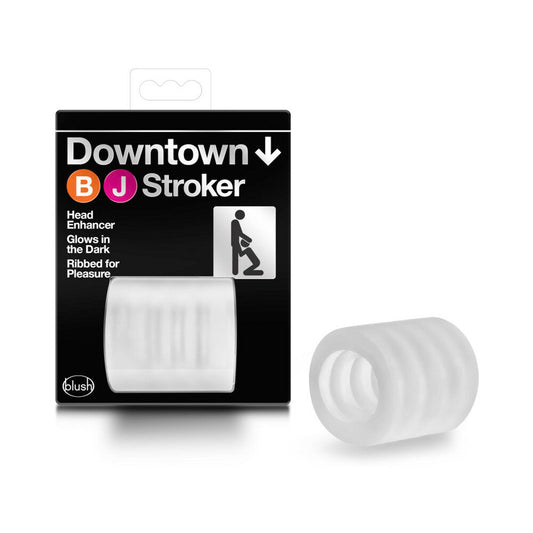
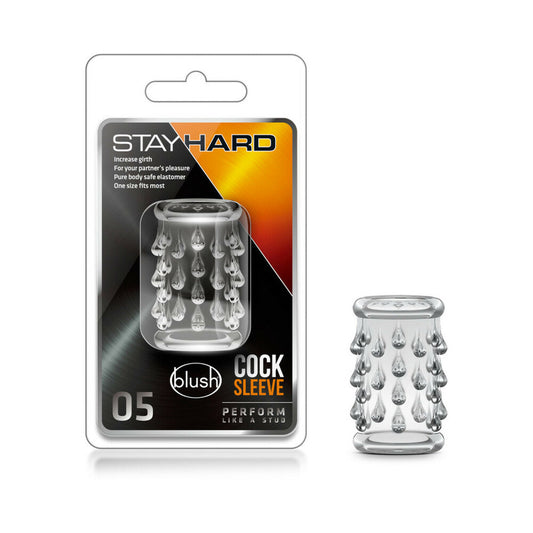
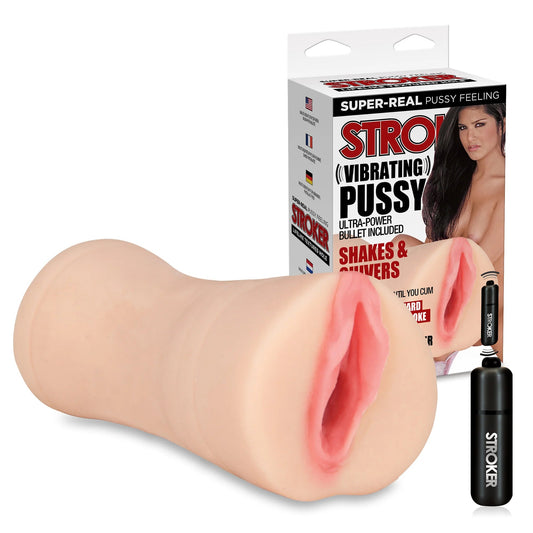
A stroker is typically a sleeve-style toy designed to create textured friction around the shaft. Some are compact and open-ended for easy control and cleaning. Others are enclosed, with tighter suction and more pressure. Vibrating or app-assisted versions add another layer, but most beginners do best starting with a non-motorized model first so they can learn pressure and stroke rhythm without too many variables.
These toys are not one-size-fits-all. Internal texture, entry diameter, sleeve firmness, and housing design all change sensation. Two products that look similar can feel completely different in use. That is normal. Your first purchase is partly a fit test that helps you understand your preferences for the next one.
Also, remember that a toy should support pleasure, not replace body awareness. Strong sensation is not always better sensation. The best beginner outcome is finding a setup that feels good, stays comfortable, and does not leave irritation afterward.
How to choose your first stroker: fit before features
When beginners shop, they often focus on marketing claims and skip fit details. Flip that. Start with fit and material, then decide on extra features.
Entry size and pressure profile
If entry size is too tight for your comfort, you may tense up and lose sensation quality. If too loose, you may feel little stimulation unless you overgrip. A moderate starter fit is usually best: enough contact to feel texture, enough space to move naturally.
Open-ended vs enclosed
Open-ended sleeves are typically easier to rinse and dry, making them excellent for first-time owners. Enclosed designs can offer stronger suction, but they may need more careful drying and maintenance.
Texture intensity
Very aggressive texture can feel exciting at first touch but tiring over a full session. Beginners often prefer moderate texture with room to increase intensity through hand pressure and pacing.
Material feel and flexibility
Softer, body-safe materials usually feel more comfortable and forgiving. Firmer interiors can feel intense, but they may require better lube coverage and slower progression.
Cleanup practicality
If you cannot clean it easily, you probably will not use it consistently. A toy that supports your real routine beats a “perfect” toy that becomes a chore.
For first-time buying, pair your toy choice with practical support from essentials so your setup is ready on day one.
Lube is not optional: it is the difference between smooth and irritating
The biggest beginner mistake in this category is under-lubing or using the wrong lube type. With strokers, lube is not an extra. It is core to comfort and sensation.
Why water-based lube is the safest beginner default
Most sleeve-style materials pair best with water-based formulas. They are easy to rinse, broadly compatible, and less likely to create long-term material problems than mismatched alternatives.
How much lube to use
Use more than you think you need. Start with a good layer inside the sleeve and on your body, then add small top-ups if friction increases. “Just enough” often becomes “not enough” mid-session.
When to reapply
If drag increases, do not force through it. Pause and reapply. Friction spikes are usually a lubrication issue, not a performance issue.
Avoiding irritation loops
Beginners sometimes try to solve discomfort by gripping harder or speeding up. That usually worsens irritation. Better move: add lube, reduce pressure, and slow the stroke pace.
Step-by-step first session plan (beginner friendly)
For your first 2-3 sessions, use a repeatable plan instead of improvising. Consistency helps you learn what your body likes without overcomplicating the process.
1) Prep and temperature check
Make sure the sleeve is clean and fully dry before use. Keep lube nearby so you do not interrupt flow. If the room is cold, warm the toy slightly in your hands or under safe warm water (if product guidance allows), then dry external surfaces before handling.
2) Lube generously
Apply lube inside the sleeve and on yourself. Rotate the sleeve gently to distribute internally. Avoid dry entry attempts.
3) Start low-pressure
Use shallow, slower strokes first. Focus on how the texture feels at different hand pressures. You are mapping sensation, not sprinting to intensity.
4) Adjust one variable at a time
Change either speed, depth, grip, or angle—one at a time. If you change all at once, you lose clean feedback about what actually improved sensation.
5) Pause and re-lube as needed
If friction rises, pause and add more lube. This is normal and smart, not a setback.
6) Finish and transition calmly
After climax or completion, remove slowly, set toy down on a clean surface, and move into cleanup routine immediately while everything is easy to rinse.
Finding your best fit over time: sleeves, textures, and stroke style
Most users do not discover their favorite profile on day one. That is expected. Use early sessions to identify what works:
Do you prefer tighter, focused pressure or looser glide?
Do you like short textured zones or full-length texture?
Do you prefer open airflow feel or stronger enclosed suction?
Do slower long strokes feel better than shorter high-frequency motion?
This feedback is valuable for future buys. If you later explore beyond basic sleeves, you can compare with options in male vibrators or adjacent men’s lanes without guessing blindly.
Common beginner mistakes (and how to fix them fast)
Mistake: using too little lube
Fix: Increase lube volume up front and keep a bottle within reach for top-ups.
Mistake: overgripping to “create intensity”
Fix: Reduce hand pressure, slow down, and let texture do more of the work.
Mistake: choosing the most intense texture first
Fix: Start medium texture and build intensity through technique, not extreme hardware.
Mistake: skipping full dry time after cleaning
Fix: Allow complete air-dry before storage. Moisture trapped in sleeves leads to odor and material issues.
Mistake: delaying cleanup
Fix: Clean immediately post-session. The longer you wait, the more difficult residue removal becomes.
Cleanup that actually protects your toy (and your skin)
Good cleanup is not optional maintenance—it is part of safe repeat use. Keep the process simple so you can stick with it.
Rinse promptly
Use warm water and gentle hand cleaning according to product care guidance. Avoid harsh detergents unless specifically approved.
Use toy cleaner when appropriate
A compatible cleaner can help with odor control and surface hygiene, especially for sleeves with deeper texture channels.
Dry thoroughly
Pat external surfaces and allow internal channels to air-dry fully. Some users place sleeves open-side down on a clean drying stand or breathable towel.
Inspect before storage
If still damp, keep drying. Storing early is one of the fastest ways to shorten toy lifespan.
Storage is where beginners either preserve quality or accidentally degrade it. A good storage routine protects material softness and keeps your setup discreet.
Use a dedicated pouch or case
Keep sleeves in clean, breathable storage where they are not crushed by heavier objects.
Avoid heat and sunlight
High heat and direct sun can age materials faster and alter texture feel over time.
Keep products separated
If you own multiple toys, avoid dumping all of them into one unstructured container. Separation helps prevent material contact issues and keeps cleaning standards clearer.
Refresh your storage lane periodically
Wipe down storage surfaces and check pouches for lint, moisture, or residue buildup.
Solo confidence and performance pressure
A lot of men bring performance pressure into solo sessions without noticing. With strokers, that pressure can lead to rushing, overgripping, and poor body feedback. Treat the session as exploration, not evaluation. You are learning a tool-body match over time, and that is a skill process, not a pass/fail test.
If one session feels “off,” it does not mean the toy is bad or you chose wrong. Check basics first: hydration, stress level, lube amount, pressure, and pacing. Most issues are mechanical and fixable in the next run.
How this fits into a broader men’s wellness routine
For many beginners, a stroker becomes part of a wider personal care rhythm that includes lubrication choices, hygiene consistency, and stress-aware pacing. That can improve both pleasure quality and confidence. If you later expand your setup, you can layer in other categories strategically instead of buying randomly.
A practical path is: one reliable sleeve, one trusted water-based lube, one toy cleaner, one discreet storage pouch. Master that first. Then decide if you want additional texture profiles or vibration-assisted models.
Beginner FAQ
What is the best first stroker style?
Usually an easy-clean, moderate-texture sleeve with manageable pressure. Open-ended designs are often the simplest place to start.
Can I use any lube with male masturbators?
No. Start with water-based lube for broad compatibility and easier cleanup unless product instructions explicitly say otherwise.
How often should I clean it?
After every use, immediately. Delay increases residue buildup and odor risk.
How do I know if fit is wrong?
If you consistently need extreme grip or feel uncomfortable pressure even with adequate lube, fit may be off for your body and style.
Do I need a toy cleaner?
Not always required, but it helps maintain hygiene and freshness—especially with textured sleeves.
Can beginners use vibrating male toys first?
Yes, but many people learn faster with a basic non-motorized sleeve first, then add features once they understand fit and pressure preferences.
Advanced beginner tuning: pressure, tempo, and angle
Once you have 3-5 comfortable sessions, you can start fine-tuning technique without jumping into completely new gear. This stage is where many users move from “this is good” to “this is consistently great.” The key is structured experimentation. Change one variable at a time and keep short notes in your head (or private notes) about what worked.
Pressure tuning
Most people assume more pressure equals more pleasure. In reality, there is usually a sweet spot where stimulation is high but tissue stays relaxed. Too little pressure can feel vague, but too much pressure can dull sensation over time. During one session, test three levels: light, moderate, and moderately firm. Hold each level for about 60-90 seconds at similar stroke speed. You will often notice one level feels clearly better and more sustainable.
Tempo tuning
Tempo matters as much as texture. Some sleeves feel better with slower, deeper strokes; others feel best with shorter, rhythmic motion. Try running one block at slower tempo, then one at medium pace, with equal pressure. If sensation starts to flatten, slow down and re-lube rather than accelerating aggressively. Controlled pacing usually produces better results than intensity spikes.
Angle tuning
A small angle change can alter internal contact dramatically. Experiment with wrist angle, elbow position, or body posture to find where texture engagement feels most natural. Keep shoulders and forearms relaxed. Tension in the upper body often reduces overall pleasure and increases fatigue.
Breath and focus
Breathing sounds basic, but it has real effect. If you are holding your breath during high stimulation, your body can tense and sensitivity may become “sharp” instead of smooth. Try steady breathing through intensity rises. Better oxygen and lower tension usually improve control and comfort.
Troubleshooting first-month issues
If sessions feel inconsistent, use a quick diagnostic approach before blaming the product.
Issue: sensation dropped compared to first use
Likely causes: less lube, higher stress, rushed pace, or too much grip pressure. Fix: reset to moderate pressure, add lube earlier, and use slower warm-up strokes before increasing pace.
Issue: soreness after session
Likely causes: long session without re-lube, excessive pressure, or rough finish pace. Fix: shorten duration, add one extra lube reapplication checkpoint, and reduce finish intensity. Take a recovery day if needed.
Issue: toy feels harder to clean than expected
Likely causes: delayed rinse or deep texture channels with residue buildup. Fix: clean immediately after use, flush channels with warm water longer, and air-dry fully with open ventilation before storage.
Issue: odor appears after storage
Likely causes: residual moisture before storing. Fix: increase drying time, check storage pouch breathability, and keep the toy separated from damp fabrics or enclosed heat spots.
Issue: suction feels too strong or too weak
Likely causes: enclosed housing pressure mismatch. Fix: adjust grip seal and stroke depth. Some enclosed toys respond strongly to small airflow changes; test with lighter seal first.
Building a simple long-term maintenance routine
Great toy lifespan comes from consistency, not complicated chemistry. Use this repeatable routine:
Immediate warm-water rinse post-session.
Gentle cleaner pass when needed.
Full air-dry before storage.
Quick pre-use check for dryness and material feel.
Monthly deeper inspection for wear, tears, or texture changes.
If texture surfaces start to feel tacky, overly dry, or rough compared to original feel, pause use and reassess care routine. Material changes are usually gradual; catching them early prevents discomfort later.
How to expand after your first successful toy
After you find one reliable stroker profile, expanding your setup becomes much easier because you have a baseline. Instead of guessing randomly, choose one intentional expansion path:
Texture path: move from moderate texture to either smoother glide or more defined ridges.
Pressure path: try slightly tighter fit or an enclosed model with controllable suction.
Feature path: explore vibration or warming options after your manual technique is stable.
Routine path: keep same toy but improve lube pairing, pacing, and cleanup efficiency.
This one-axis expansion method avoids money waste and gives clearer feedback about what actually improves your experience.
Partnered use and communication
Although this guide is beginner-focused for solo use, many people later bring strokers into partnered play. The same fundamentals still apply: lube volume, pressure communication, and pace control. If a partner is involved, establish simple cues for speed and pressure changes before starting. Keep communication practical and short (“lighter,” “slower,” “hold,” “pause”). Clear cues improve comfort and confidence for everyone.
For partnered sessions, pre-stage cleanup supplies as well. A prepared setup prevents awkward downtime and helps maintain flow if you want to continue into other activities.
Confidence check: what success looks like in month one
You do not need dramatic outcomes to judge progress. Month-one success is usually:
you found at least one pressure range that is reliably comfortable;
you know your preferred lube quantity and reapply timing;
cleanup takes less time and feels routine;
you can repeat sessions without irritation;
you have clearer preferences for your next product choice.
If those boxes are checked, you are doing it right. Skill and comfort compound over time.
Final thoughts
Male masturbators and strokers can be excellent beginner tools when you focus on the fundamentals: fit, lube, comfort pacing, cleanup, and storage. You do not need a complicated kit to get strong results. You need a repeatable process that keeps sessions smooth and maintenance easy.
Start with practical options from for men, support comfort with water-based lubes, and keep upkeep simple with essentials. Build confidence session by session, and your setup will get better naturally over time.