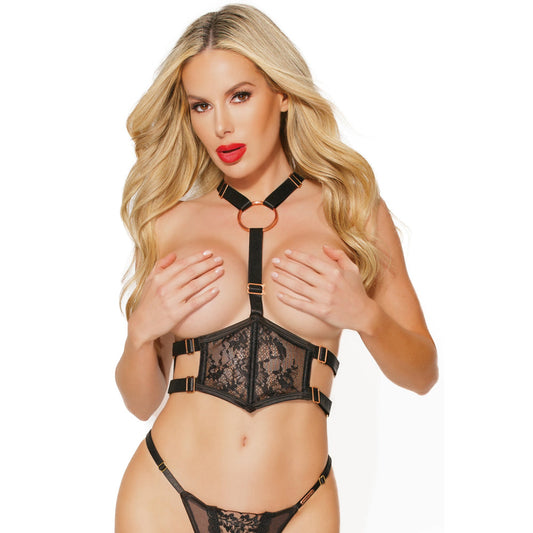
Beginner's Guide To Corsets: Common Mistakes First-Timers Make
By Rodel Samalca
Struggling to get comfortable in your first corset or worried you might pick the wrong one? Over 70% of beginners face issues with sizing, comfort, and proper wear. This beginner’s guide points out the most common mistakes and gives clear tips for better waist training and style.
Curious what makes a perfect fit? Keep reading to find answers that boost confidence and comfort!
Choosing the Wrong Corset Size
Picking the wrong size corset ruins comfort and shape. A corset that’s too small digs into skin, causes pain, and blocks deep breathing. If it is too big, the corsetry loses its body shaping strength and support.
Sizing matters for waist training; only a proper fit encourages healthy compression without harm.
Measure carefully around your bust, waist, and hips before choosing a style like underbust or overbust. Use a soft measuring tape for more accuracy—never guess or pick based on clothing size alone.
Lacing techniques can help fine-tune the fit but cannot fix major sizing errors. An ill-fitting corset may lead to pinching or gaping fabrics which spoil the look as well as comfort.
Proper sizing in corsetry keeps both confidence high and discomfort low.
Selecting the Wrong Type of Corset
Underbust and overbust corsets offer different kinds of support. An underbust style starts beneath the breasts. It works well for waist training or as a fashion accessory with other tops and bras.
Overbust corsets cover the bust, giving extra lift and coverage. They can replace a bra while shaping both the waist and chest. Soft mesh fabrics improve breathability, while satin gives more structure for dramatic curves.
Selecting an incorrect type affects comfort, fit, and even body shaping results. Some styles feature strong steel boning for higher compression; others use plastic bones which provide gentle support but less definition in the waist area.
For example, anyone seeking real waist training should avoid costume-grade pieces made only for looks—they lack necessary strength and support needed for lasting changes to silhouette or posture improvement.
Choosing based on body shape matters too; curvy bodies often benefit from hourglass cuts with more panels while straighter figures might look best in classic shapes like Victorian or modern waspie designs...
Each choice affects how enjoyable your corsetry experience feels from day one!
Skipping the Seasoning Process
Many people rush into corsetry and skip the seasoning process. This key step helps the corset mold to the body and supports comfort during waist training. Wearing a new corset right away for long hours can cause discomfort, pinching, or damage to both the fabric and boning.
Seasoning means wearing the corset loosely laced for about one to two hours each day over a week or two. This allows both support and flexibility, so the fit gets better with time.
Skipping this step often leads to aches, broken boning, or poor shaping results—never ideal with fashion accessories that need both comfort and style. Taking it slow pays off in lasting shape and happy curves!
Skipping the seasoning process can lead to problems, like over-tightening the corset laces. This mistake is common among beginners. Tightening too much creates discomfort and restricts movement.
It can also cause skin irritation or even bruising.
Corsets should fit snugly but not painfully tight. A proper fit allows for breathing and natural movement. Beginners often think tighter equals better support, but that's not true.
Instead of enhancing comfort or style, it leads to health issues over time. Focus on finding a balance between fit and comfort for the best results in body shaping and fashion accessories.
Ignoring Comfort for Fashion
Comfort must come first. Many people choose corsets for style, but they forget about how they feel. A tight fit isn’t always the best fit. Wearing a corset that digs in or pinches can cause pain and irritation.
Proper lacing techniques help find the right balance between comfort and style. Corsetry should shape the body without sacrificing ease of movement. Picking the right fabric also matters; breathable materials allow better airflow, keeping wearers comfy throughout their day or night out.
Fashion should enhance a person’s look, not be a source of discomfort or distress.
Wearing the Corset for Excessive Periods
Wearing a corset for too long can cause problems. It puts pressure on the body and may lead to discomfort or pain. Experts recommend taking breaks. A few hours at a time is often best.
Long use can affect breathing and digestion, too. Corsets should shape the body without harming it. Listen to your body and adjust as needed for comfort and health. Staying aware of how you feel helps ensure that fashion does not come at a cost to well-being.
Neglecting Proper Care and Maintenance
Proper care and maintenance are key to keeping a corset in good shape. Cleaning it regularly helps prevent dirt buildup and wear. Never machine wash a corset; this can ruin its fabric and structure.
Instead, spot clean with a damp cloth or use gentle soap when necessary.
Storage matters too. Always hang the corset or lay it flat to avoid creasing or bending the bones inside. Maintaining these steps will ensure longevity and comfort, making wearing stylish corsetry an enjoyable experience for all users.
Overlooking Potential Skin Irritation or Health Issues
Ignoring skin irritation or health issues can lead to serious problems. Corsets alter body shape, but they need to fit properly. Tight lacing may cause friction on the skin. This could result in rashes or cuts.
Choosing materials that breathe is essential for comfort and health. Fabrics like cotton are gentler on the skin than synthetic ones.
Long hours spent in a corset increase the risk of irritations, too. Skin needs time to breathe and heal. Regular breaks from wearing your corset help keep irritation at bay. Pay attention to your body’s signals; discomfort might be a sign to loosen up those laces! Staying aware means enjoying both style and safety with waist training practices effectively.
Discover Our Collection of Basques and Corsets
After discussing skin irritation and health issues, the focus shifts to a fantastic selection. Explore their collection of basques and corsets. Each piece is crafted for different styles and needs.
Whether looking for compression or support, there's something here.
These garments come in various sizes and colors. They fit comfortably while enhancing body shape. The choice of fabrics ensures breathability too. Customers can enjoy a mix of fashion and function with each design available online now!
Conclusion
Corsets can transform your look. Avoid common mistakes to get the most from them. Choose the right size and type for comfort. Care for your corset, and listen to your body. With these tips, anyone can enjoy wearing corsets beautifully!